
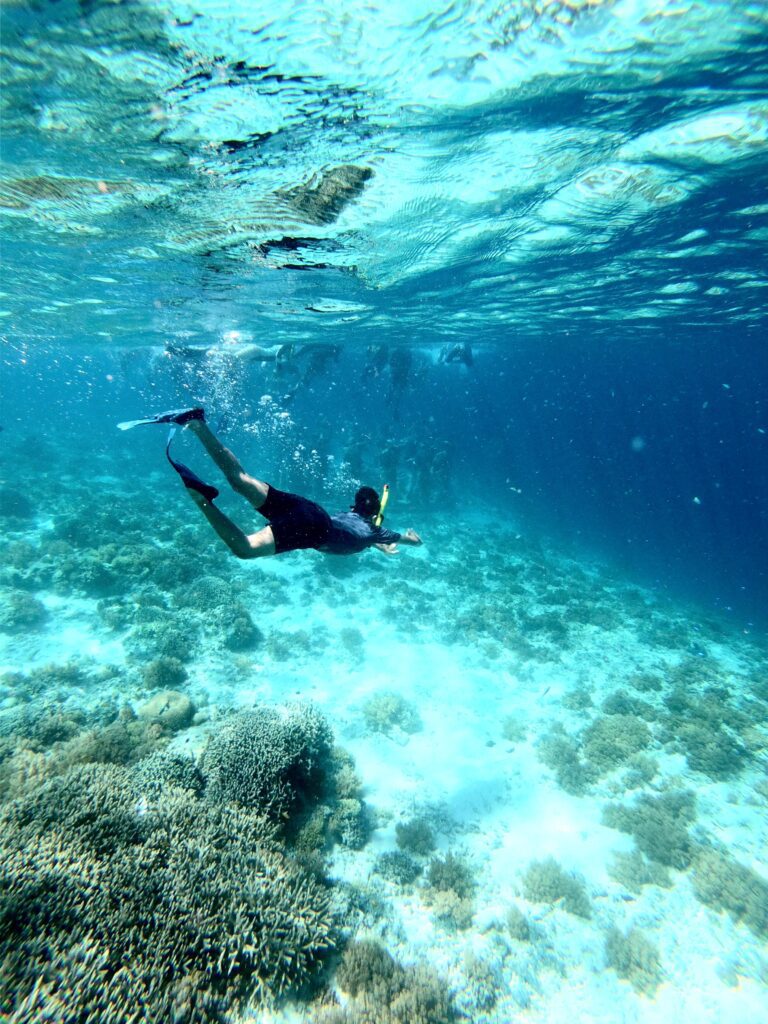
Great Barrier Reef snorkeling is one of the world’s great bucket-list experiences — and yes, you can absolutely snorkel the Great Barrier Reef, even as a total beginner. The best time to go is from June to October. Most tours leave from Cairns or Port Douglas, and a full-day outer reef trip costs roughly $200–$280 per person. Here’s everything you need to know before you get in the water.
I had never snorkeled in my life before I dropped into the water on the Great Barrier Reef in Australia. Not once. So if you’re nervous or you’ve never put your face in the ocean, let me say this up front: this was the trip that turned me into a lifelong lover of the underwater world, and it can do the same for you.
This guide covers it all — whether you can snorkel the reef, the best time to go,where to base yourself, how to choose a tour, what it actually costs, what it feels like, and how to stay safe. I’ve folded in everything I wish I’d known before my first time snorkeling in the Great Barrier Reef.Australian Government’s official Great Barrier Reef site
Can You Snorkel the Great Barrier Reef?
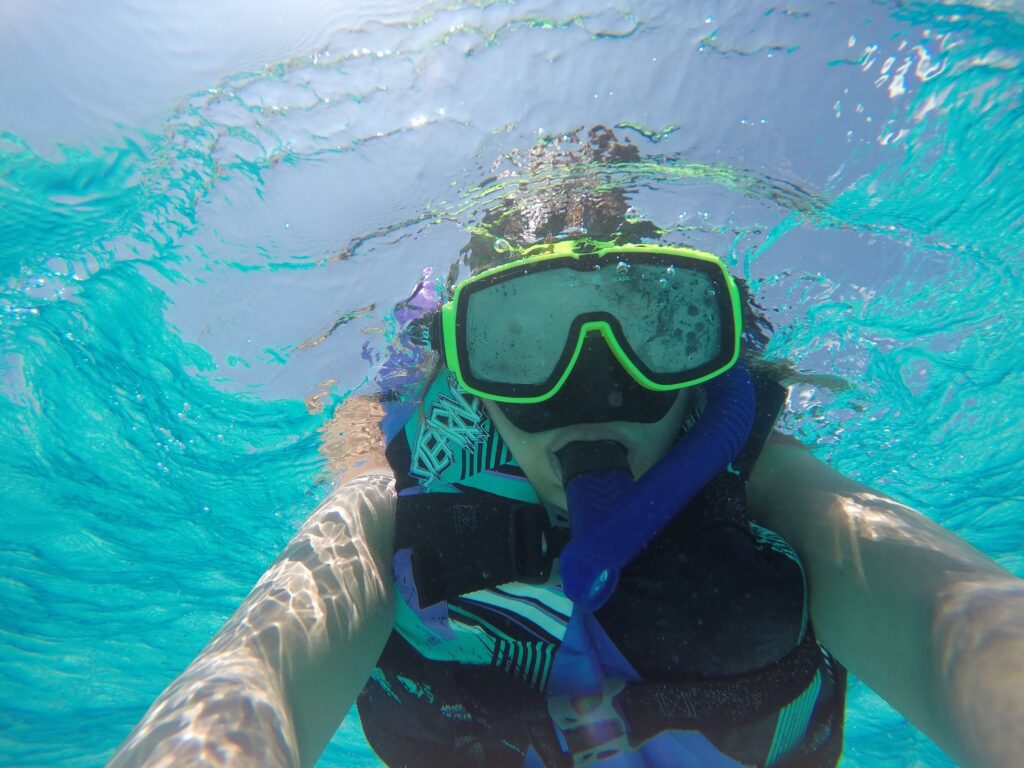
Yes, you can snorkel the Great Barrier Reef, and you don’t need any experience to do it. The reef is one of the most beginner-friendly places in the world to try snorkeling, because nearly every tour provides all your gear, a flotation device if you want one, and trained guides who watch the water the entire time.
You don’t need to be a strong swimmer. Most reputable operators hand out pool noodles and buoyancy vests, and many run a glass-bottom boat or semi-submersible, so even non-swimmers in your group can see the coral. If you can float and breathe through a tube, you can snorkel in the Great Barrier Reef. I’m living proof — my first time snorkeling anywhere was here, far out on the outer reef, and I was fine.
Why the Great Barrier Reef Is Worth It
If there are coral reefs all over the planet, why is this the one on everyone’s list? A few reasons make Great Barrier Reef snorkeling genuinely different from snorkeling anywhere else.
It’s the largest coral reef system on Earth — so vast it’s the only living structure visible from space. It stretches over 2,300 km along the Queensland coast and is home to more than 9,000 marine species: turtles, reef sharks, rays, dolphins, and an absurd rainbow of fish. It’s also ancient, with parts of the living reef built on foundations many thousands of years old.
You’ll hear mixed opinions from other travelers — some find it the best thing they’ve ever done, a few call it overrated, usually after they’ve snorkeled dozens of other reefs first. My honest take? Unless you have a real fear of open water, snorkeling in the Great Barrier Reef belongs on your list at least once in your life. If you love rare, once-in-a-lifetime food and travel experiences the way I do — the kind I wrote about at the oldest restaurant in the world in Madrid — this is the ocean equivalent.
Best Time to Snorkel the Great Barrier Reef
The best time to snorkel the Great Barrier Reef is during Queensland’s dry season, June to October. From June through October, the seas are calmer, the weather is more stable, the risk of jellyfish is minimal, and the marine life is at its most visible. These dry-season months also coincide with the best underwater visibility, which is why they’re peak season — so book tours ahead.
The Dry Season (June–October): Best Visibility
This is prime time for snorkeling in Australia’s Great Barrier Reef. Clear skies, low rainfall, calm seas, and visibility up to 20 meters. June and July also bring Dwarf Minke Whale season — this is the only place on Earth where you can snorkel alongside these curious whales, which often approach snorkelers in the water. Winter water sits around 22–24°C, so a light wetsuit (usually provided) keeps you comfortable.
The Shoulder Months (April–May): Fewer Crowds
If you want good conditions without the peak-season crush, April and May are a sweet spot — warm water, decent visibility, thinner crowds after the Easter holidays, and better value on tours.
The Wet Season (November–May): Stinger Season
You can still snorkel the Great Barrier Reef in the wet season, but it’s also stinger season. The main stinger season runs from November to May, when box and Irukandji jellyfish move closer to shore. Stinger suits are genuinely necessary from November through April in most reef areas, with the highest risk from December to February. Operators provide the suits, and boats head to whichever reef sections have the calmest, clearest water that day. The upside of the wet season: warmer water, fewer tourists, and lower prices.
Where to Snorkel: Cairns, Port Douglas & the Best Spots
Most Great Barrier Reef snorkeling tours leave from two towns in tropical North Queensland.
Cairns is the famous “gateway to the Great Barrier Reef” and the easiest base for first-timers. It blends small coastal-town charm with tropical scenery, and it’s packed with cute cafés and family-owned restaurants. It offers the widest selection of reef tours and the most budget-friendly options. Cairns was one of my favorite parts of all of Australia.
Port Douglas sits about an hour north and gives faster access to the outer Agincourt Ribbon Reefs — often slightly clearer water and a more upmarket feel.
For the best snorkeling spots, the outer reef beats the inner reef for coral health and visibility. Here are the standouts worth seeking out:
- Hastings Reef — shallow, vibrant coral and reliable turtle, clam, and reef-fish sightings; great for all levels and one of the most popular Cairns day-trip sites.
- Agincourt Ribbon Reefs (from Port Douglas) — pristine outer-reef sites with crystal-clear water; sites like Barracuda Bommie and The Channels are dreamy for snorkelers.
- Michaelmas Cay — a sand island with calm, shallow coral gardens and a protected bird sanctuary; excellent for first-timers and families.
- Flynn, Milln & Moore Reefs — easy Cairns day trips with rainbow coral gardens; Moore Reef has pontoons ideal for nervous swimmers.
- Green Island — a coral cay just off Cairns with shallow, protected water and beach access; the easiest option if you want minimal boat time.
If you can build it into your trip, the southern reef islands — Lady Elliot, Heron, Fitzroy, and Lizard Islands — offer some of the best snorkeling straight off the beach, no boat required. Lady Elliot is famous for manta rays and turtles right off the sand, and is reachable by a scenic light-plane flight.
Great Barrier Reef Snorkeling Tours: What to Expect
Here’s something most people don’t realize before they book: the Great Barrier Reef is a long way offshore. Depending on which section your tour visits, the boat ride can take anywhere from 45 to 90 minutes. When you finally drop into the water, you are genuinely far from land — surrounded by open ocean for miles in every direction.
I went on a large-group tour, and even as a first-timer, it felt fun and very safe. A typical full-day outer reef snorkeling trip includes hotel pickup, all snorkel gear, a wetsuit or stinger suit, lunch, a couple of guided snorkel sessions at different sites, and often a glass-bottom boat or semi-submersible tour for anyone who’d rather stay dry.
When choosing among Great Barrier Reef snorkeling tours and packages, look for operators that are eco-tourism and climate-action certified, carry awards like a Travelers’ Choice or Certificate of Excellence, and put real focus on reef conservation and education. The tour I took was exactly that kind — safe, enjoyable, genuinely educational, and serious about protecting the reef.
How to Choose the Right Reef Tour
Not all tours are equal, and the right one depends on your confidence and goals:
- Nervous or first-time snorkelers: choose a pontoon-based tour (Reef Magic, Sunlover, Quicksilver). Pontoons give you a stable platform, marked shallow areas, easy step-in entry, and a glass-bottom boat backup.
- Confident swimmers wanting the best coral: pick a small-group boat that visits two or three outer-reef sites in a day.
- Families: look for tours with low guest limits, kids’ gear, and calm sites like Michaelmas Cay or Green Island.
- Something unique: consider an Indigenous-guided tour like Dreamtime Dive & Snorkel, where you learn the reef’s cultural significance alongside the marine life.
A good crew matters as much as the site. The best Great Barrier Reef snorkeling tours have a marine biologist or Master Reef Guide aboard who points out cleaning stations, fish behavior, and coral you’d otherwise swim straight past.
Marine Life You Might See
The reef is a living neighborhood, not a staged aquarium, so nothing is guaranteed — which makes every sighting feel earned. Snorkelers commonly see green and loggerhead turtles, reef sharks (harmless), stingrays, and the occasional manta ray, giant clams, clownfish, parrotfish, angelfish, butterflyfish, and the famous Maori wrasse. Between June and September, you may even share the water with Dwarf Minke Whales — the reef is the only place on Earth you can snorkel alongside them — while humpback whales breach near the boats on the way out.
How Much Does It Cost to Snorkel the Great Barrier Reef?
A full-day outer reef snorkel tour from Cairns or Port Douglas generally runs about $200–$280 per person, depending on the season, the operator, and what’s included. Mine was in the $199–$250 range for a full-day outer reef trip.
Cheaper inner-reef and half-day trips are available, but the outer reef is where the coral and visibility are best, so it’s worth the extra. Great Barrier Reef snorkeling packages that bundle multiple days, transfers, or a Cairns–Port Douglas combo can bring the per-day cost down if you’re staying a while.
What Great Barrier Reef Snorkeling Actually Feels Like
I’ll never forget my first time. Being so far from land, you get in the water, and the vastness hits you first — just ocean for miles, the sky meeting the deep blue. Then you put your face under.
And it’s an entire other world. Brightly colored corals. Vibrant fish darting in every direction. A turtle gliding off in the distance. The water is deep, but so clear you can see the ocean floor, dropping away into deeper blue in places. The only sound is your own breathing and the strange crunch of parrotfish nibbling coral. It’s genuinely therapeutic — it takes you completely out of your own head. That first session on the reef was, I’m fairly sure, the beginning of my love affair with the underwater world.
Would I do it again? Absolutely. Next time I’d probably scuba dive it rather than snorkel — the reef rewards going deeper — but for a first-timer, snorkeling is the perfect introduction.
Is the Great Barrier Reef Dangerous? Safety Tips
Snorkeling the Great Barrier Reef is very safe when you go with a licensed operator, but a few things are worth knowing.
Jellyfish: During stinger season (November–May), wear the stinger suit your operator provides — box and Irukandji jellyfish stings can be serious. Outside stinger season, a rash vest or wetsuit helps you avoid minor stingers like sea lice.
Sun: The tropical sun is brutal on the water. Use reef-safe sunscreen (regular sunscreen damages coral), and wear a rash guard and hat on the boat.
Seasickness: The ride out can be choppy. If you’re prone to it, take medication beforehand and choose a larger catamaran, which handles swell better.
Nervous swimmers: Wear the flotation device, stay with a partner, and don’t drift far from the boat. Guides are always watching.
Protect the reef: Treat it like a museum — look, don’t touch. Never stand on or grab coral, and don’t take anything. Over a quarter of the world’s coral reefs are already badly damaged, and the Great Barrier Reef is vulnerable. Snorkeling responsibly is how we keep it alive for the next traveler.
What to Pack for Reef Snorkeling
- Swimsuit (wear it under your clothes, so you’re ready)
- Reef-safe sunscreen and a hat
- A change of clothes and a towel
- Seasickness medication if you’re prone to it
- An underwater camera or phone case
- A light layer for the air-conditioned boat ride back
Most gear — mask, snorkel, fins, wetsuit, or stinger suit — is provided by the tour, so you don’t need to buy your own.
How to Get to the Great Barrier Reef
The reef runs along the North Queensland coast, so your starting point is a flight to the right gateway:
- Cairns — the main hub, with direct domestic flights from Sydney (about 3 hours), Melbourne, and Brisbane. Most reef day tours depart from the Cairns Marina.
- Port Douglas — about an hour’s drive north of Cairns airport; closer to the Agincourt outer reefs.
- The Whitsundays — fly into Hamilton Island or Proserpine (for Airlie Beach) to snorkel the southern reef and visit Whitehaven Beach.
You cannot snorkel the Great Barrier Reef directly from Sydney or Brisbane — they’re well south of the reef. Fly north to Cairns or the Whitsundays first, then join a day tour from there.
Beyond the Reef: More of Tropical Queensland
Cairns is worth a few days beyond the reef itself — the Daintree Rainforest, Kuranda, and the waterfalls of the Atherton Tablelands are all close. And if the reef sparks a love of warm-water snorkeling and island life, the Caribbean scratches a similar itch on the other side of the world; my guide to things to do in Puerto Rico is a good place to start planning your next island trip.
FAQ: Great Barrier Reef Snorkeling
Can you snorkel the Great Barrier Reef?
Yes. The Great Barrier Reef is one of the most beginner-friendly snorkeling destinations in the world. Tours provide all gear, flotation devices, and trained guides, so no experience is needed.
Can you snorkel the Great Barrier Reef if you can’t swim?
Largely yes. Most operators provide buoyancy vests and pool noodles, and many run glass-bottom boats or semi-submersibles so non-swimmers can still see the coral. Tell your guide in advance and stay near the boat.
What is the best time to snorkel the Great Barrier Reef?
June to October, during Queensland’s dry season, offers the calmest seas, best visibility, and lowest jellyfish risk. April and May are great shoulder-season options with fewer crowds.Tourism and Events Queensland — https://www.queensland.com/
Where is the best place to snorkel the Great Barrier Reef?
The outer reef offers the best coral and visibility. Popular spots include Hastings Reef, the Agincourt Ribbon Reefs, Michaelmas Cay, and Moore Reef. For beach snorkeling, Lady Elliot, Heron, and Fitzroy Islands are excellent.
How much does it cost to snorkel the Great Barrier Reef?
A full-day outer reef snorkeling tour from Cairns or Port Douglas typically costs about $200–$280 per person, including gear, wetsuit, lunch, and guided sessions. Half-day and inner-reef trips cost less.
Where do Great Barrier Reef snorkeling tours leave from?
Most leave from Cairns (the main gateway, with the most options) or Port Douglas (faster access to the outer Agincourt reefs). The boat ride to the reef takes roughly 45–90 minutes.
Is the Great Barrier Reef dangerous to snorkel in?
It’s very safe with a licensed operator. The main risks are jellyfish during stinger season (November–May, when suits are provided), sunburn, and seasickness. Serious incidents are rare.
Do you need a wetsuit to snorkel the Great Barrier Reef?
In the cooler dry-season months, a light wetsuit (usually provided) keeps you comfortable. During stinger season, you’ll wear a stinger suit for protection. In the warmest months, a rash guard may be enough.
Can you see the Great Barrier Reef from space?
Yes. The Great Barrier Reef is the largest living structure on Earth and the only one visible from space, stretching over 2,300 km along the Queensland coast.
Snorkeling or scuba diving the Great Barrier Reef — which is better?
Snorkeling is perfect for first-timers and shows you the vibrant shallow coral and fish. Scuba diving lets you go deeper for more marine life. Many tours offer both, and you can try an intro dive with no certification.
Can you snorkel the Great Barrier Reef from Sydney?
Not directly — the reef is off the North Queensland coast, roughly a 3-hour flight from Sydney. Fly to Cairns (or Hamilton Island for the Whitsundays) and take a day tour from there.
How far is the Great Barrier Reef from shore?
The outer reef sites are well offshore — most tours involve a 45 to 90 minute boat ride from Cairns or Port Douglas before you reach the snorkeling sites.
Final Thoughts
Snorkeling the Great Barrier Reef in Australia was one of the most exciting and wonderful experiences of my life — and I went in having never snorkeled before. Will it be the single best thing you do in Australia? Maybe, maybe not. But it will almost certainly be among the most memorable.
Go in the dry season if you can, book an eco-certified outer reef tour, treat the coral like the fragile wonder it is, and let yourself be amazed. The reef has stood the test of time, but it’s vulnerable now — so see it, protect it, and enjoy one of the true wonders of our world.
About the Writer
Emma Collins is the founder and writer behind Open Road Diary, where she shares first-hand travel guides, food adventures, and destination tips from her trips around the world. She has explored six continents, and snorkeling the Great Barrier Reef in Queensland — her first time snorkeling anywhere — remains one of the experiences that shaped her love of travel. Everything in this guide comes from her own visit, as well as current research on reef conditions, tours, and safety. You can read more of her guides at openroaddiary.com.