
38 Best Things to Do in St Lucia: The Ultimate 2026 Travel Guide
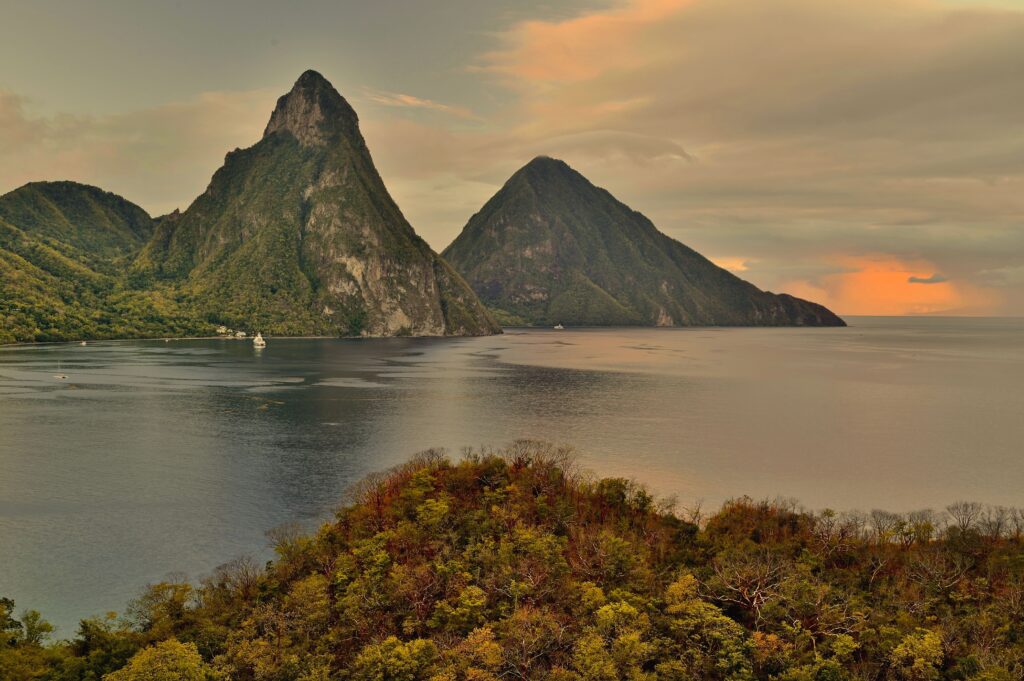
I’ve been lucky enough to wander a lot of Caribbean islands, but St Lucia is the one that genuinely refused to leave my head. The first time I rounded the coast and saw the Pitons rising straight out of the sea — two green volcanic spires with the waves smashing at their base — I actually stopped talking mid-sentence. That doesn’t happen to me often.
So if you’re trying to figure out the best things to do in St Lucia, you’re in exactly the right place. I’ve pulled together everything I learned across the island into one honest guide — the hikes, the warm waterfalls, the sneaky-good snorkel spots, where to eat real Creole food, where to sleep, and all the practical St Lucia things to do that the glossy brochures skip. Whether you’re here for a week, on a cruise stopover, or planning a honeymoon, there’s something below for you.
Let’s get into it.
Where Is St Lucia (and Why It’s So Special)
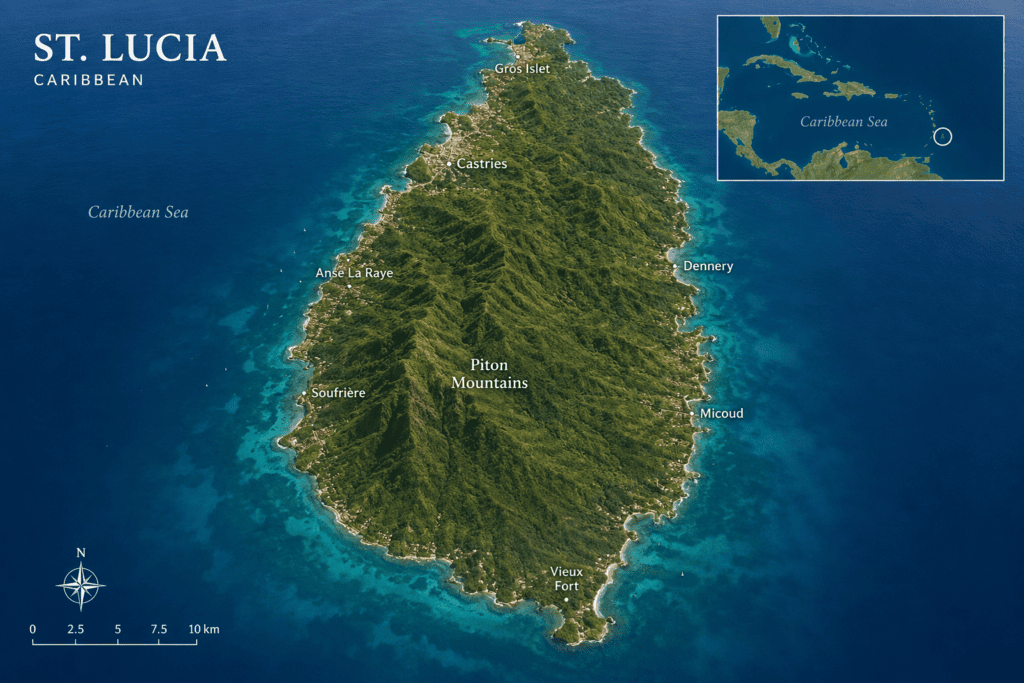
St Lucia is a small island nation in the eastern Caribbean, part of the Lesser Antilles, sitting about 21 miles south of Martinique and 24 miles north of St Vincent. It has this fascinating layered identity — French and British colonial history stacked atop deep Creole culture — and you taste it in the food, hear it in the accent, and see it in the place names.
The island is most famous for the Pitons, its twin volcanic peaks, and a UNESCO World Heritage Site. But honestly, the Pitons are just the headline. The rainforest interior, the geothermal springs, the reefs, and the small fishing towns are what make a St Lucia trip feel bigger than the island actually is.
How to Get to St Lucia
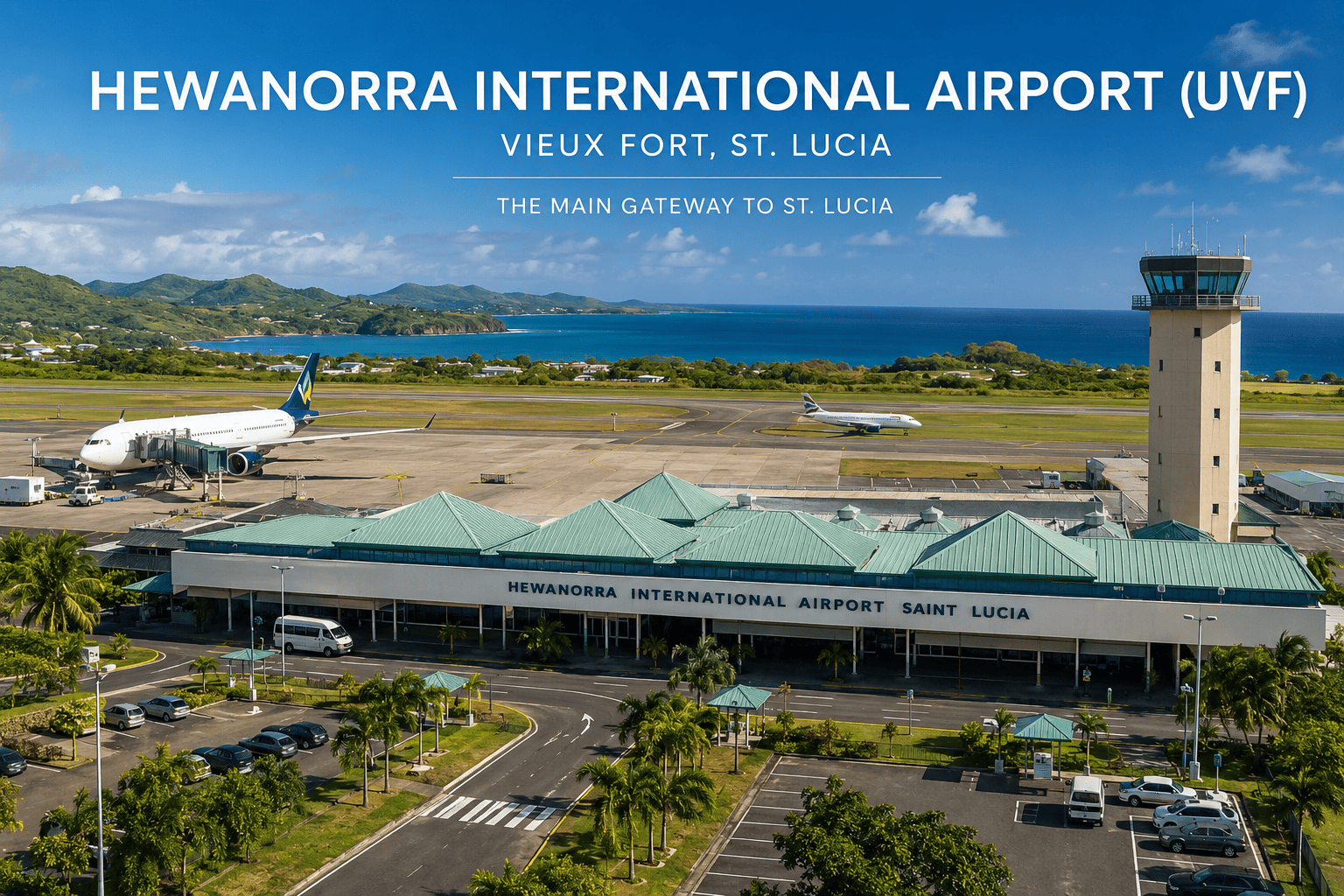
St Lucia has two airports. Hewanorra International Airport (UVF) in the south handles most international flights, including direct service from US hubs such as Miami, New York, Atlanta, and Charlotte, as well as connections from the UK and Canada. George F.L. Charles Airport (SLU) sits up north near Castries and mostly handles regional Caribbean hops. You can also arrive by ferry from nearby islands like Martinique.
One heads-up: if you fly into Hewanorra but stay up north (Rodney Bay, Castries, Gros Islet), the transfer is roughly 1.5 hours by road. Many travelers book a speedboat transfer instead — faster and far more scenic.
Best Time to Visit St Lucia

The dry season (December to April) is peak season — sunny, breezy, and busy, with prices to match. For a sweet spot, aim for May to June: the weather is still lovely, the crowds thin out, and May brings the famous St Lucia Jazz Festival. The official hurricane season runs from June to November, with the wettest months usually September and October. St Lucia’s reliable trade winds blow strongest from December to July, which is great news if you’re into kite surfing or windsurfing.
The Best Things to Do in St Lucia
1. Hike Gros Piton
If you do one big adventure on the island, make it this. Gros Piton is the taller of the twin peaks, and the one most visitors climb. It’s a hot, rocky, genuinely tough hike, but the views are worth every step. You’re required to go with a local guide (you can’t hike it alone), which you arrange in Soufrière, and the entrance fee includes the guide. Plan for roughly two hours up and two back, climbing about 600 metres (2,000 ft) from the trailhead.
A few hard-won tips: start early — ideally before 8 a.m. — to beat both the heat and any cruise-ship crowds, carry far more water than you think you need, wear proper trail shoes, and please check your phone or camera battery before you set off. (Yes, that one’s from personal experience.)
2. Admire (or Climb) Petit Piton
Petit Piton is the smaller, sharper-looking sibling, and it’s actually the harder, steeper climb — strictly for experienced, sure-footed hikers with a guide. Most people skip the climb and simply soak in the view, which is spectacular from the beaches, boats, and restaurants below. Either way, seeing both Pitons up close is one of the most iconic experiences in St Lucia.
3. Mud Up at Sulphur Springs — the “Drive-In Volcano”
Billed as the world’s only drive-in volcano, Sulphur Springs near Soufrière is touristy but genuinely fun. You can watch the bubbling geothermal pools, then slather yourself in warm volcanic mud that’s supposed to be brilliant for your skin, before rinsing off in the heated black-water pools. You don’t need a full tour — a short taxi from Soufrière gets you there for a small entry fee. Go early or late to dodge the midday crush, take an old towel and clothes you don’t mind staining, and bring drinking water.
4. Soak in the Warm Mineral Baths at Toraille and Piton Falls
After the mud, treat your body to a warm-water soak. The mineral baths near the falls in the Soufrière area sit at just the right temperature — relaxing, a little surreal, and often blissfully quiet if you time it well. You can stand under the falls and let the water land on your shoulders. It’s a small entry fee, and pairing it with Sulphur Springs makes for a very zen half-day.
5. Wander the Diamond Falls Botanical Gardens
This lush garden is set in a natural gorge, with shaded pathways leading to the Diamond Falls, which really do seem to sparkle thanks to the mineral deposits staining the rock. There are therapeutic mineral pools here, too, both public and private. You can explore solo, or hire a guide at the gate if you’re curious about the local plants and their medicinal uses. It’s quieter in the afternoons, and you could easily spend a relaxed half-day among the plants, falls, and hot pools.
6. Snorkel the Marine Reserves
Snorkelling in St Lucia is seriously underrated. In the protected marine reserves, you’ll find butterflyfish, parrotfish, sergeant majors, blue tangs, trumpetfish, the occasional moray eel, and, if you’re lucky, turtles and rays.
The easiest entry points are Anse Chastanet and Anse Mamin, linked by a 700-metre path and both inside a marine reserve, so there’s plenty to see straight off the beach. Jalousie (Sugar Beach) between the Pitons is another good spot, and Anse L’Ivrogne is packed with fish and lobsters if you don’t mind the short walk down to it.
7. Go Scuba Diving
St Lucia has 22-plus dive sites and reefs close to shore, making it a brilliant place to dive or learn. Anse Chastanet Reef is right off the beach, and other standouts include Fairyland, Keyhole Pinnacles, Superman’s Flight, and the wreck of the Lesleen M. Whether you’re certified or just want a beginner lesson, the warm, clear water makes for easy, rewarding dives.
8. Relax on the Best Beaches
St Lucia’s beaches are the stuff of Caribbean daydreams — clear turquoise water, soft sand, and plenty of sun. Reduit Beach at Rodney Bay is the long, lively, sandy stretch; Pigeon Island in the north has two lovely beaches; and Vigie Beach near the small northern airport is uncrowded and shaded by trees. Down south, Anse Chastanet near Soufrière is one of the prettiest, while Anse de Sables in the far south draws kite surfers and windsurfers. Anse Mamin, a quiet beach tucked beneath Anse Chastanet, is a favourite of mine for sheer peace and quiet. And here’s the good news: all beaches in St Lucia are public.
9. Take a Boat Tour Along the West Coast
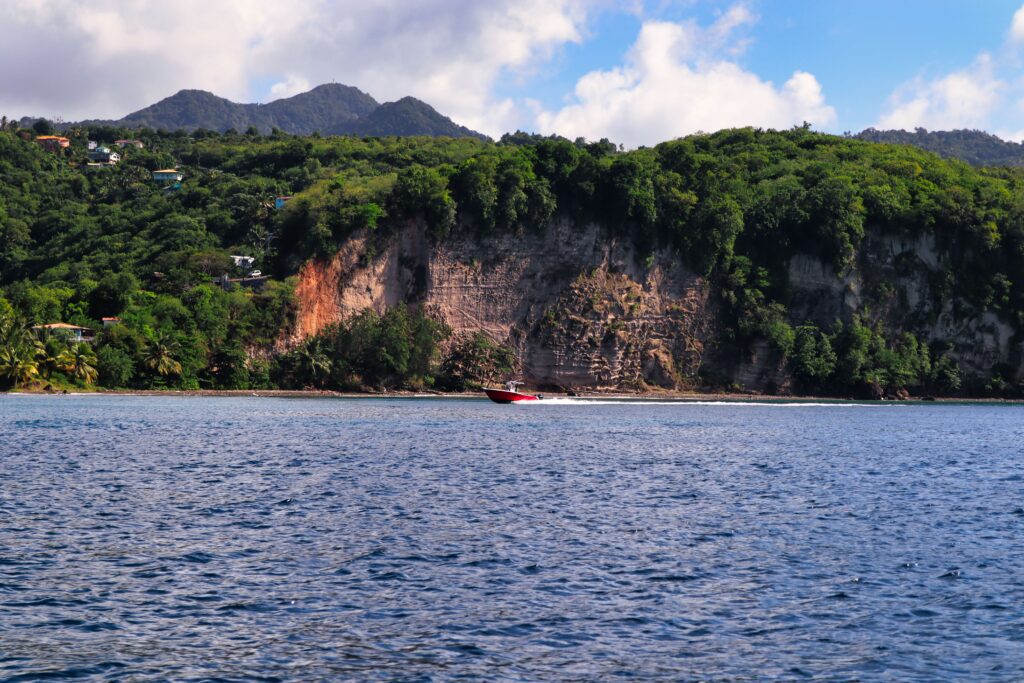
A boat trip is one of the best ways to grasp how dramatic St Lucia’s coastline really is. You’ll glide past the Pitons from the water (the best angle, honestly), spot hidden coves, and usually stop to snorkel and swim. Most tours pause at Marigot Bay, a serene palm-fringed inlet lined with yachts and waterside cafés that’s so postcard-perfect it’s been a film backdrop for decades. A sunset cruise with rum punch is the romantic upgrade.
10. Kayak the Roseau River
If you want to see the island from a totally different angle, kayaking is the way to go. The standout option starts at pretty Marigot Bay, heads out along a short stretch of open sea, then slips into a lagoon and up the Roseau River — a completely different world of mangroves and calm brown water. There are longer multi-day options too, but the river run is the one I’d pick.
11. Zipline Through the Rainforest
For an adrenaline hit, head to a rainforest adventure park where you can choose a guided trail walk, a slow scenic cable car, or — best of all — a zipline through the canopy. There are usually multiple lines strung across the forest, and combo packages let you do all three for the best value. The cable car is gentle enough that even nervous flyers love it for the views alone.
12. Hike the Tet Paul Nature Trail
Near Soufrière, the Tet Paul Nature Trail is an easy 45-minute walk that delivers a wildly high reward-to-effort ratio. From the top of the steep steps — nicknamed the “Stairway to Heaven” — you get jaw-dropping views of the Pitons, plus Jalousie Bay, Choiseul, and Maria Island. On a clear day you can even see Martinique and St Vincent. It’s perfect if you want Piton views without the full climb of Gros Piton.
13. Explore Pigeon Island National Landmark
In the north, Pigeon Island National Landmark beautifully blends history and nature. Trails lead up to old fort ruins from the British-French battles over the island, and the climb to the highest point rewards you with sweeping views. If you’d rather relax, there are two pretty beaches here. Admission is modest, and you don’t need a tour.
14. Tackle More Rainforest Trails
If the hiking bug bites, there’s plenty more. The Barre de L’Isle Trail is a steep three-hour climb with views of Mount Gimie and both the Caribbean and the Atlantic. The Enbas Saut Trail loops through the forest to a waterfall — bring swimwear and a guide, as the road is rough and easy to lose. And for the truly keen, the St Lucia Three Peaks Challenge strings together Gros Piton, Mount Gimie, and Petit Piton, either in one brutal day or across several.
15. Go Birdwatching
St Lucia is a quiet gem for birders. The island is home to the endemic St Lucia Parrot (the national bird), plus the Rufous Nightjar, White-Breasted Thrasher, St Lucia Oriole, and Pewee. Take a guided walk with local wildlife ambassadors, or hike the Millet Bird Sanctuary, where you might also spot snakes and land crabs. The Des Cartier trail, Bois D’Orange Swamp, and Pigeon Island are all good self-guided options, too.
16. Visit a Rastafarian Community
For something genuinely off the beaten path, take an ATV or valley tour into the Mabouya Valley, home to a vibrant Rastafarian community. You’ll learn about their way of life, watch cassava and farine being made, and connect with a side of St Lucia’s cultural identity most visitors never see. It’s one of the more unique things to do in St Lucia and a real highlight if you like meaningful, people-centred travel.
17. Go Kite Surfing or Windsurfing
St Lucia’s reliable trade winds — averaging 18-25 knots from December to March — make the Atlantic-facing coast a playground for wind sports. Anse de Sables in the far south and Cas en Bas in the north are the two favourites. Whether you’re learning or already shredding, the conditions here are dependable in the windy months.
18. Party at the Gros Islet Friday Night Street Party
This is St Lucia’s most famous weekly event — a street food and music festival that takes over Gros Islet every Friday night. Expect grilled fish, rum punch flowing freely, local bands, DJs, and dancing in the street with locals and travelers alike. Try the local dish “Bouyon” stew if you can. One piece of advice: do not book the Gros Piton hike for the next morning. Trust me.
19. Experience the St Lucia Jazz & Arts Festival
If you visit in May, you’ve timed it perfectly. The St Lucia Jazz & Arts Festival draws world-class musicians and artists from across the globe, with street food, art installations, and a full week of music. It’s one of the Caribbean’s signature cultural events and a fantastic reason to choose May for your trip.
Best Things to Do in St Lucia by Region
Soufrière (the Adventure Hub)
Soufrière, the original French colonial capital, is where the island’s wildest scenery clusters: the Pitons, Sulphur Springs, the botanical gardens, the warm waterfalls, and the best snorkelling beaches. If you’re an active traveler, basing yourself near Soufrière puts most of the big-ticket things to do in St Lucia within easy reach.
Castries (the Capital)
Castries is the bustling capital and main cruise port. The unmissable stop here is Castries Market, where you can sample tropical fruit, pick up handmade spice blends, and taste Creole street food. It’s the easiest place to feel the island’s everyday rhythm, and a top pick if you’re wondering what to do in St Lucia on a cruise day with limited time.
Rodney Bay & Gros Islet (the North)
The north is the island’s lively heart — Reduit Beach, restaurants, nightlife, and the Friday street party. If you want walkable dining, beach time, and a social atmosphere, this is your zone. It’s also the most convenient base if you’re flying into the regional airport.
Marigot Bay & Central St Lucia
Central St Lucia is all about that famous bay — calm, gorgeous, and ringed with cafés and yachts. It’s a relaxed, scenic base, ideal for boat tours and a quieter pace, sitting roughly between the buzzy north and adventurous south.
Best Restaurants in St Lucia
You can’t claim to know St Lucia until you’ve eaten your way through it. Castries Market is the place for Creole street food and fresh fruit. Martha’s Tables near Soufrière is a beloved local spot for home-cooked dishes like grilled fish and stewed chicken. The Coal Pot, set right on the water, is one of the island’s most romantic restaurants, blending Caribbean flavours with French flair. And for a treat, a rainforest canopy restaurant gives you fine Caribbean dining with a view you won’t forget. Don’t leave without trying the national dish, green fig and saltfish.
Best Hotels in St Lucia
St Lucia isn’t the cheapest island, but it has accommodation for every budget. At the top end, Jade Mountain is a design icon — open-air suites with private infinity pools framing the Pitons. Its sister property, Anse Chastanet, offers slightly more grounded luxury with excellent diving and two beaches. Ti Kaye Resort & Spa is a cliffside, adults-only hideaway perfect for couples, with outdoor showers and plunge pools. For something rustic and sustainable, eco-villages and self-catering cottages tucked into the hills give you charm and value. And if you’re traveling on a budget, guesthouses around Soufrière and Rodney Bay keep costs down without sacrificing the views.
Things to Do in St Lucia for Couples
St Lucia is one of the Caribbean’s great honeymoon islands, and it earns it. Book a sunset catamaran cruise past the Pitons, soak together in the warm mineral baths, splurge on a Piton-view suite, and dine waterside at a romantic spot like The Coal Pot. The combination of dramatic scenery and genuine seclusion makes romantic things to do in St Lucia almost effortless to plan.
Things to Do in St Lucia With Kids and Families
Families do well here too. Gentle beach days at Reduit Beach, the easy Tet Paul trail, a not-too-scary cable car through the rainforest, mud baths at Sulphur Springs (kids love getting filthy), and a boat tour with snorkelling all work brilliantly for a range of ages. Pigeon Island, with its forts to explore and calm beaches, is a natural family favourite.
Things to Do in St Lucia on a Cruise Stop
Short on time? Prioritise. From Castries, the classic cruise-day combo is Sulphur Springs plus the botanical gardens, or a quick boat tour to see the Pitons from the water. If you dock and want a single unforgettable memory, a Piton-view boat trip with a snorkel stop punches well above its weight in just a few hours.
How Many Days Do You Need in St Lucia?
For a relaxed first visit, five to seven days is ideal — enough time to split between the adventurous south and the social north without rushing. On a tighter schedule, three full days lets you hit the Pitons, Sulphur Springs, a beach, and a boat tour. Stay a week or longer and you can add the deeper hikes, birdwatching, and slow days doing pleasantly little.
Practical Tips for Visiting St Lucia
A few things worth knowing before you go: the local currency is the East Caribbean Dollar (XCD), though US dollars are widely accepted. Driving is on the left, and roads are steep and winding, so many visitors prefer taxis or transfers. Tap water is generally fine in main areas, but bottled is easy to find. Always carry water, wear proper shoes for hiking, and start outdoor activities early to beat the heat and the cruise crowds. Tipping around 10% is customary where service isn’t already included.
Final Thoughts
St Lucia packs an absurd amount into a small island. You can hike a volcano in the morning, mud-bathe at lunch, snorkel a reef in the afternoon, and dance in the street with locals by night. Whether you’re after adventure, romance, culture, or just a perfect beach, the best things to do in St Lucia will fill your days far more easily than you’d expect.
Take your time, go early, drink lots of water, and let the island do its thing. You’ll leave already plotting your way back.
Planning more island adventures? Don’t miss these guides from Open Road Diary:
- https://openroaddiary.com/things-to-do-in-puerto-rico/
- https://openroaddiary.com/cafe-jacqueline-san-francisco-closed/
- https://openroaddiary.com/oldest-restaurant-in-the-world/
- https://openroaddiary.com/great-barrier-reef-snorkeling/
- https://openroaddiary.com/monumento-a-la-patria-merida-yucatan-mexico/
Frequently Asked Questions About Things to Do in St Lucia
What are the top things to do in St Lucia?
The top things to do in St Lucia are hiking Gros Piton, mud bathing at Sulphur Springs (the world’s only drive-in volcano), soaking in the warm mineral waterfalls, snorkelling the Anse Chastanet marine reserve, taking a boat tour past the Pitons, and joining the Gros Islet Friday night street party.
How many days do you need in St Lucia?
Five to seven days is ideal for a first visit, letting you split time between the adventurous south around Soufrière and the lively north around Rodney Bay. Three full days is enough to see the Pitons, Sulphur Springs, a beach, and a boat tour if you’re short on time.
What is the best time to visit St Lucia?
The dry season from December to April offers the best weather but the biggest crowds and prices. May to June is a great sweet spot with good weather, fewer tourists, and the St Lucia Jazz Festival. Hurricane season runs June to November, with September and October the wettest months.
What are the best things to do in St Lucia for couples?
For couples, St Lucia shines with sunset catamaran cruises past the Pitons, private mineral bath soaks, Piton-view suites at resorts like Jade Mountain or Ti Kaye, and romantic waterside dining. It’s one of the Caribbean’s most popular honeymoon islands.
What can you do in St Lucia on a cruise stop?
On a cruise day from Castries, the best options are combining Sulphur Springs with the Diamond Falls Botanical Gardens, or taking a boat tour to see the Pitons from the water with a snorkel stop. Castries Market is also an easy, quick cultural stop near the port.
Are the beaches in St Lucia free to access?
Yes. All beaches in St Lucia are public, including those in front of luxury resorts. Popular options include Reduit Beach at Rodney Bay, Anse Chastanet and Anse Mamin near Soufrière, and Pigeon Island in the north.