
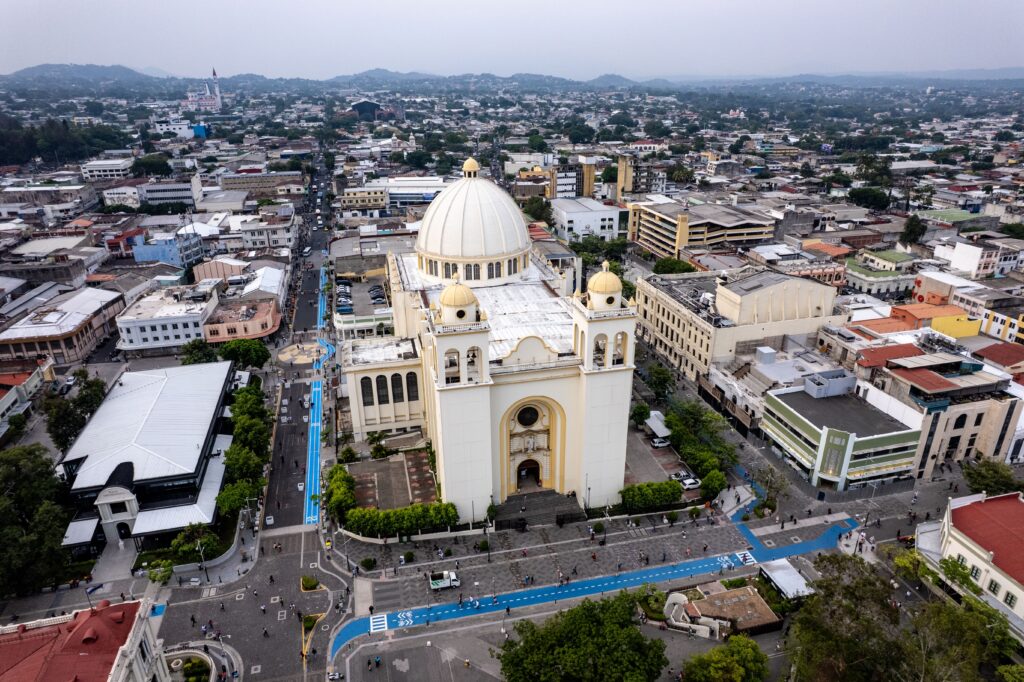
I’ll be upfront about something. Most people who type “San Salvador” into Google aren’t picturing a relaxed weekend getaway. They’re picturing old news headlines. But San Salvador in 2026 is a genuinely different city than the one that made those headlines. If you skip it because of a decade-old reputation, you’re missing one of the most underrated capitals in Central America.
San Salvador is El Salvador’s capital, and for most travelers heading anywhere in the country, it’s also where you’ll land, sleep, and base yourself for at least a couple of days. It has a wild concrete church that looks like nothing else on earth, a volcano crater you can peer into after a 20-minute drive from downtown, and some of the best pupusas you’ll eat anywhere in Central America. It’s also the launchpad for day trips to places like Santa Ana Volcano, the Ruta de las Flores, and the colonial town of Suchitoto.
This guide covers everything: the best things to do in San Salvador, where to eat, where to stay, how safe it actually is right now, the best day trips, and the practical details — weather, currency, getting around — that the typical “top 10 things to do” list skips.
Quick San Salvador Snapshot
- Country: El Salvador, Central America
- Language: Spanish
- Currency: US Dollar (El Salvador also recognizes Bitcoin as legal tender, though almost everyone still uses cash and card in USD)
- Best time to visit: November through April (dry season)
- Getting around: Uber, private tours, or local buses
- Airport: San Salvador International Airport (also called Comalapa or El Salvador International Airport), about 45 minutes from the city center
Is San Salvador Safe?
This is the first thing almost everyone searches before booking a flight, so let’s deal with it directly.
San Salvador used to carry one of the worst safety reputations of any capital city in the Americas. That reputation is outdated. Following the government’s sweeping crackdown on gang activity in recent years, El Salvador’s homicide rate dropped dramatically, and San Salvador today is regularly described by travelers and expats as one of the safer capitals in the region.
That doesn’t mean you should turn off your common sense. A few practical rules:
- Stick to well-known neighborhoods like Zona Rosa, Escalón, and San Benito, especially at night.
- Use Uber rather than hailing taxis or walking long distances after dark.
- Keep valuables low-key, the same as you would in any major city.
- Avoid flashing cash, and carry small bills since many local shops and street vendors don’t break large notes.
The honest takeaway: standard city precautions apply, but you’re very unlikely to run into trouble as a tourist who sticks to the areas covered in this guide.
San Salvador Weather: When to Go
San Salvador sits at a comfortable elevation, so it’s warm but rarely unbearably hot. There are really just two seasons to plan around.
- Dry season (November–April): Sunny days, cooler evenings, and the best conditions for hiking volcanoes and day trips. This is peak travel season.
- Rainy season (May–October): Expect afternoon downpours, but mornings are often clear. It’s also noticeably greener and less crowded, and hotel prices tend to be lower.
If your main goal is volcano hikes and day trips to places like Santa Ana or Ruta de las Flores, aim for the dry season. If you’re mainly exploring the city itself, either season works fine — carry a light rain jacket if you’re visiting between May and October.
Getting to San Salvador: Airport & Transport
Flights to San Salvador land at San Salvador International Airport, roughly 45 minutes to an hour from downtown depending on traffic. A few practical notes:
- Getting into the city: Uber works reliably from the airport and is usually the cheapest, easiest option. Pre-arranged hotel shuttles and official airport taxis are also available if you’d rather not deal with pickup logistics after a long flight.
- Car rental at San Salvador airport: If you’re planning to road-trip out to Ruta de las Flores or the beaches on your own schedule, car rental desks are available directly at the airport. Just know that driving in the city itself can be chaotic — a rental makes more sense for day trips outside San Salvador than for getting around downtown.
- Hotels near San Salvador airport: If you have a very early or late flight, there are a handful of decent hotels near the airport worth booking for a single night. However, most travelers prefer to stay in the city and allow extra travel time.
The Best Things to Do in San Salvador
Here’s where San Salvador actually surprises people. It’s not a city built for tourists, which is exactly what makes wandering it feel real.
Iglesia El Rosario
If you only do one thing in San Salvador, make it this. From the outside, El Rosario looks like a plain concrete bunker. Step inside, and it’s a completely different experience — curved concrete ribs, thousands of pieces of stained glass, and light pouring in, its colors shifting with the time of day. It was designed in the 1960s by local sculptor Rubén Martínez, and it still doesn’t look like anything else in Central America. Try to visit mid-morning or late afternoon when the sunlight hits the glass best.
Plaza Libertad, the Metropolitan Cathedral, and the National Palace
This is the historic heart of the city, and everything sits within walking distance. The Metropolitan Cathedral is notable not just architecturally but historically — it’s the resting place of Archbishop Óscar Romero, a defining figure from El Salvador’s civil war era. Next door, the National Palace is a grand former government building worth a quick look inside if it’s open. Round out the area with a visit to the National Theater and the National Library, which has a rooftop view over the plaza.
San Salvador’s Museums
For a deeper dive into the country’s history, the National Museum of Anthropology (MUNA) covers pre-Columbian and colonial history in more depth than you’ll get on a walking tour. It’s a good rainy-day option and pairs well with a day trip to Joya de Cerén later in your trip.
La Laguna Botanical Garden
Tucked into the base of an old volcanic crater within the city limits, this small garden is genuinely wild in places — iguanas, agoutis, turtles, and a decent amount of birdlife wander through the paths, streams, and little waterfalls. It’s a nice, low-effort couple of hours if you need a break from the city noise.
Monumento al Divino Salvador del Mundo
This towering statue of Christ standing on a globe sits at the center of a busy traffic circle and is one of the city’s most recognizable landmarks. It only takes 15–20 minutes to see, so it’s easy to combine with other stops nearby.
Puerta del Diablo
A short drive from the city, Puerta del Diablo is a dramatic rock formation with sweeping views out toward the Pacific coast. It was recently redeveloped with walkways, food vendors, and even a zipline between the rocks. It also carries a somber history from the civil war era, which local guides will often mention if you take a tour here.
Zona Rosa Nightlife
When the sun goes down, Zona Rosa is where San Salvador’s nightlife concentrates — restaurants, rooftop bars, and lounges that stay busy well into the evening. It’s also one of the safest and most walkable areas of the city, which makes it a smart neighborhood to base yourself in if evenings out are a priority.
The Little Prince Park
A quirky, easy-to-miss spot: this small park is themed around “The Little Prince,” since the author’s wife, Consuelo, was Salvadoran and the book’s volcanoes are said to be inspired by El Salvador’s own. It’s more of a fun 30-minute stop than a must-see, but a nice detour if you’re a fan of the book.
Best Day Trips from San Salvador
This is genuinely where San Salvador shines — not as a destination in itself, but as a base for some of the best day trips in Central America.
El Boquerón National Park and San Salvador Volcano
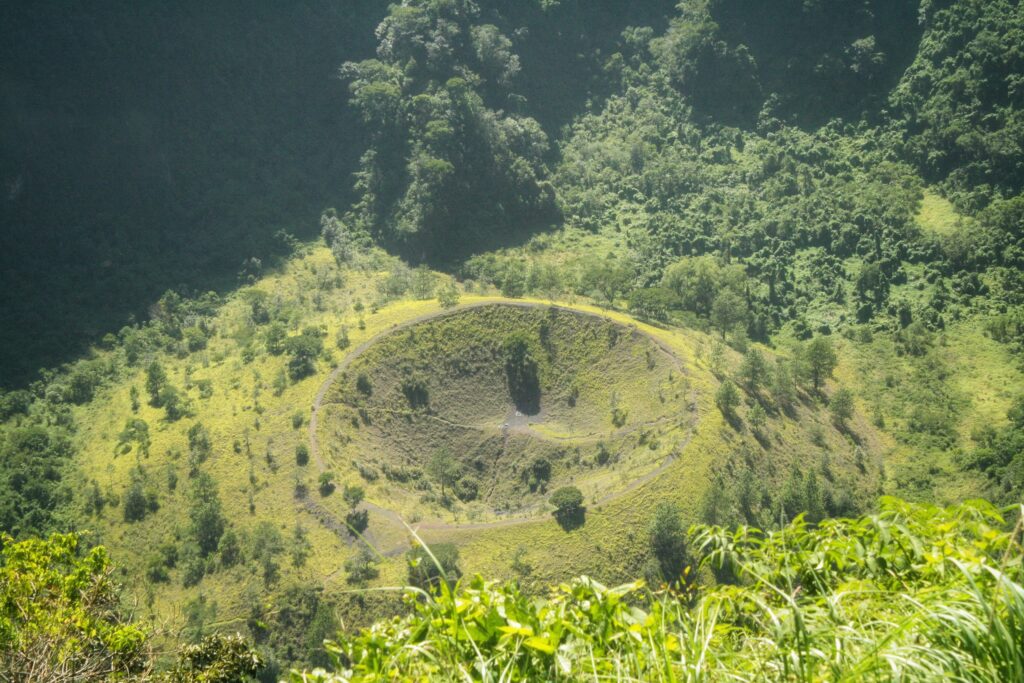
Just 20–30 minutes from the city, this is the easiest big-payoff day trip you can do. Walk up to the crater rim of San Salvador Volcano and look down into Boquerón, a smaller crater formed by a 1917 eruption sitting inside the larger one. On a clear day, you’ll also see views out toward Lake Ilopango and the surrounding volcanoes.
Joya de Cerén
Often called the “Pompeii of the Americas,” this UNESCO World Heritage site is a pre-Columbian Mayan farming village that was buried — and remarkably preserved — by a volcanic eruption around 600 AD. Unlike most Mayan ruins, which focus on temples and elite structures, Joya de Cerén shows how ordinary people actually lived. It’s about 45 minutes from San Salvador and easy to combine with the nearby San Andrés ruins.
Santa Ana Volcano and Lake Coatepeque
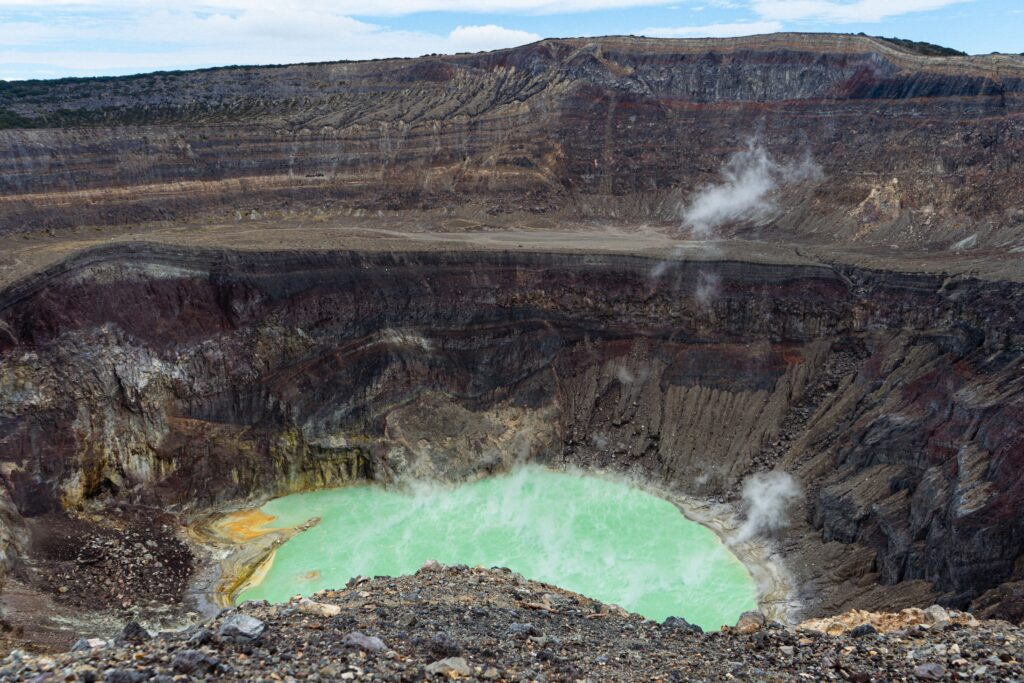
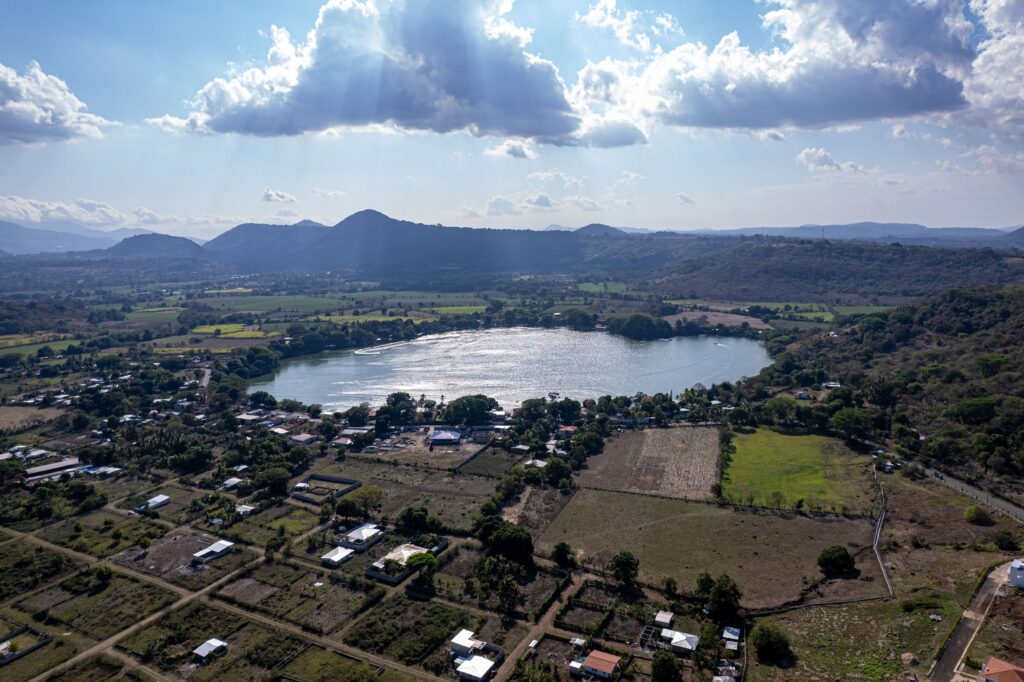
A bit further out (roughly 1.5–2 hours), but worth the trip. Santa Ana is El Salvador’s highest volcano and still active, with a bubbling turquoise crater lake at the summit. The hike takes 1–2 hours and requires a guide, which is easy to arrange as a group tour. Along the way, you’ll pass views over Lake Coatepeque, a crater lake popular for a relaxed afternoon swim.
Ruta de las Flores
This scenic stretch of small towns is one of El Salvador’s highlights: coffee farms, waterfalls near Juayúa, hot springs at Termales de Santa Teresa, and colorful murals in the town of Ataco. If you can, visit on a weekend, when Juayúa’s food market (Feria Gastronómica) is in full swing. It’s doable as a long day trip from San Salvador, though many travelers wish they’d stayed a night.
Suchitoto
A colonial town about an hour from the city, Suchitoto has cobblestone streets, lake views over Lake Suchitlán, and a noticeably slower pace than the capital. It’s an easy, relaxed day trip if you want a break from volcanoes and ruins.
Where to Eat in San Salvador
Salvadoran food doesn’t get nearly enough attention outside the region, and San Salvador is the best place to try it properly.
- Pupusas are the national dish — thick corn tortillas stuffed with cheese, beans, or pork, served with curtido (a tangy cabbage slaw). Nearly every neighborhood has a solid pupusería, and honestly some of the best ones are simple street stalls.
- For a sit-down meal, look to Zona Rosa and San Benito, which have the highest concentration of good restaurants, from modern Salvadoran fusion spots to Peruvian, Italian, and craft-beer bars.
- Craft beer fans should look for a local brewery taproom for house-brewed beers and pub food.
- For breakfast or a coffee break, Escalón has several relaxed cafés that are good for slower mornings before a day of sightseeing.
Where to Stay in San Salvador
Picking the right neighborhood matters more in San Salvador than in most cities, since it’s spread out and traffic can be heavy.
- Zona Rosa and San Benito — The most popular choice for visitors. Walkable, safe, close to restaurants and nightlife, and home to most of the international hotel brands.
- Escalón — A quieter, upscale residential area with good cafés and boutique hotel options, still close enough to Zona Rosa for an easy Uber ride.
- Near the airport — Only worth it if you have a very early flight or a short layover; otherwise you’ll miss out on the city entirely.
Hotel Options by Budget:
- High-end: International chain hotels in Zona Rosa and San Benito with rooftop pools and volcano views.
- Mid-range: Boutique hotels in Escalón, often with courtyards and a more local feel.
- Budget: Guesthouses and hostels in safe pockets of Escalón or near La Zona, several of which have good reviews for solo travelers.
Getting Around San Salvador
- Uber is the easiest, cheapest, and most recommended way to get around the city and to nearby day trip spots like El Boquerón.
- Local buses run on main routes and are extremely cheap, but they can be slow and aren’t always straightforward if you don’t speak Spanish.
- Car rental makes the most sense if you’re planning multiple day trips outside the city on your own schedule — just be prepared for chaotic city driving.
- Guided tours are worth booking for volcano hikes (a guide is required for Santa Ana) and for archaeological sites where a local guide adds real context.
Suggested San Salvador Itinerary
1 Day in San Salvador:
Morning at Iglesia El Rosario and Plaza Libertad, lunch in Zona Rosa, afternoon trip to El Boquerón, dinner and drinks back in Zona Rosa.
3 Days in San Salvador (with day trips):
- Day 1: City sightseeing — El Rosario, Plaza Libertad, Monumento al Divino Salvador del Mundo, dinner in San Benito.
- Day 2: Full-day trip to Santa Ana Volcano and Lake Coatepeque.
- Day 3: Joya de Cerén in the morning, El Boquerón in the afternoon, or swap in a day trip to Ruta de las Flores if you’d rather skip the ruins.
Practical Travel Tips for San Salvador
- Currency: US Dollars are used everywhere. Bitcoin is technically legal tender, but in practice you won’t need it — bring cash in small bills for street food and local shops.
- Language: Spanish. A few basic phrases go a long way — “gracias” (thank you), “cuánto cuesta” (how much does it cost), and “una pupusa, por favor” will serve you well.
- Tipping: 10% is standard at sit-down restaurants; it’s often already added to the bill as a service charge, so check before double-tipping.
- Packing: Light, breathable clothing, a rain jacket if traveling May–October, and proper closed-toe shoes if you’re hiking any of the volcanoes.
Final Thoughts on San Salvador
San Salvador isn’t trying to be a picture-perfect tourist city, and that’s honestly part of its appeal. It’s a real, working capital with an incredible church, a genuinely fascinating history, and some of the easiest, most rewarding day trips in Central America sitting just outside its edges. Give it two or three days, eat more pupusas than you planned to, and use it as your base to explore the volcanoes and colonial towns that make El Salvador one of the most underrated countries in the region right now.
If you’re mapping out a longer Central America route, San Salvador pairs naturally with time in Antigua, Guatemala, or a loop through Nicaragua — both worth checking out if you have extra time on your trip.
Ready to start planning? Check flights to San Salvador, book your accommodation in Zona Rosa or Escalón early during dry season, and start sketching out which day trips matter most to you — Santa Ana Volcano and Ruta de las Flores tend to fill up guided tours fastest.
Frequently Asked Questions About San Salvador
Is San Salvador safe for tourists in 2026?
Yes, San Salvador is significantly safer than its old reputation suggests. Following major security reforms in recent years, crime rates have dropped sharply, and most travelers report feeling safe even walking in neighborhoods like Zona Rosa at night. Standard city precautions still apply.
How many days do you need in San Salvador?
Two to three days is ideal — enough time to see the city’s main sights and fit in at least one or two day trips, like El Boquerón or Santa Ana Volcano.
What is the best time of year to visit San Salvador?
The dry season, from November through April, offers the most reliable weather for sightseeing and volcano hikes. The rainy season (May–October) still has clear mornings and lower prices.
What currency is used in San Salvador?
The US Dollar is the primary currency used everywhere. El Salvador also recognizes Bitcoin as legal tender, though it’s rarely needed for everyday tourist spending.
How do you get from San Salvador airport to the city?
Uber is the most convenient and affordable option, taking roughly 45 minutes to an hour depending on traffic. Hotel shuttles and official taxis are also available.
What are the best day trips from San Salvador?
The top options are El Boquerón National Park, Joya de Cerén, Santa Ana Volcano and Lake Coatepeque, Ruta de las Flores, and the colonial town of Suchitoto.
What neighborhood should I stay in when visiting San Salvador?
Zona Rosa and San Benito are the most popular choices for their walkability, restaurants, and nightlife. Escalón is a quieter, still-very-convenient alternative.