
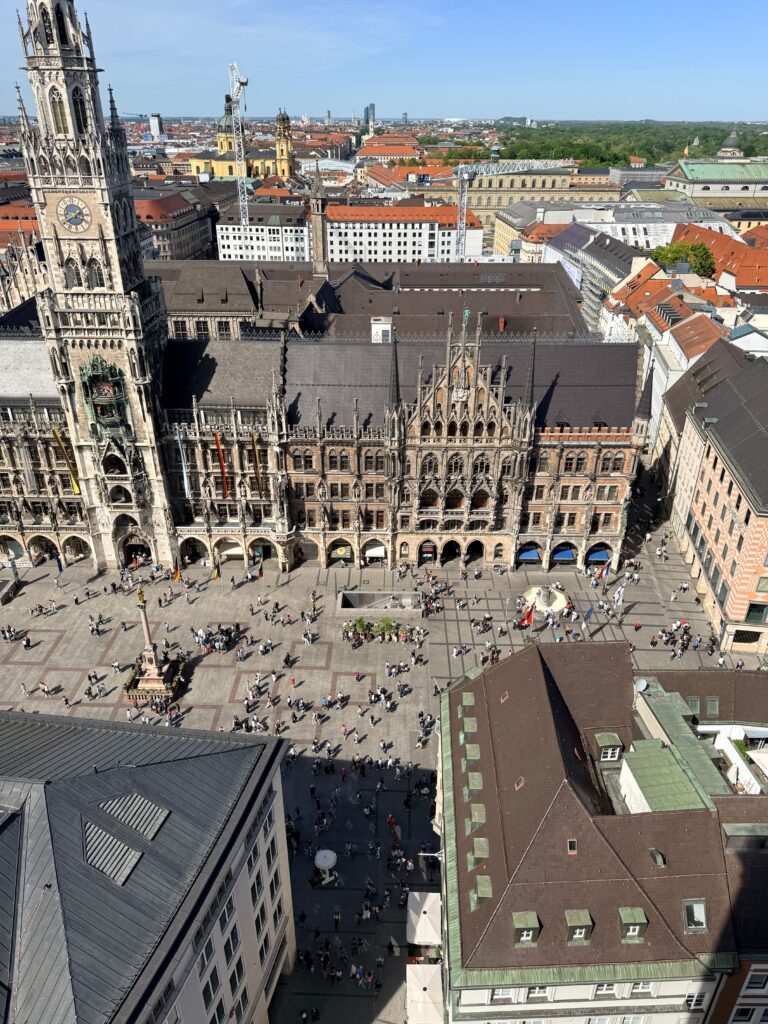
Munich, Germany — or München as the locals proudly call it — is one of the most magnetic cities in all of Europe. Nestled in the heart of Bavaria, Germany’s largest state, this city manages to pull off what most cannot: it is simultaneously ancient and modern, luxurious and laid-back, deeply traditional and endlessly cosmopolitan. Whether you are planning your first trip or returning for the tenth time, Munich never runs out of things to show you.
I remember stepping off the S-Bahn at Munich Central Station for the first time, rolling suitcase in tow, heart already racing with anticipation. I had done my research — read the blog posts, watched the YouTube videos — but nothing fully prepares you for the scale of this city’s beauty. The gold-tipped spires, the roar of laughter echoing from a beer garden at noon, the smell of pretzels baking somewhere nearby. Munich, Germany, is not just a destination. It is a feeling.
In this guide, I am going to walk you through absolutely everything you need to know about Munich, Germany — from the iconic landmarks and hidden gems, to the best hotels, day trips, Oktoberfest secrets, Munich, Germany weather tips, and all the little details that make the difference between a good trip and a life-changing one. This is the guide I wish I had before my first visit.
Grab a Weissbier. Let’s go.
What’s in This Munich, Germany Travel Guide
- Where is Munich, Germany?
- Why Visit Munich, Germany?
- Best Time to Visit Munich, Germany (Weather Guide)
- How to Get to Munich, Germany
- Getting Around Munich, Germany
- Top Things to Do in Munich, Germany
- Hidden Gems and Unusual Things to Do in Munich
- Oktoberfest in Munich, Germany — What You Really Need to Know
- Munich, Germany Christmas Market
- Munich, Germany, Bavaria Day Trips
- Where to Stay in Munich, Germany
- Hotels in Munich, Germany: From Budget to Luxury
- What to Eat and Drink in Munich, Germany
- Munich, Germany Map and Neighborhoods
- Munich, Germany Practical Travel Tips
- FAQ: Common Questions About Munich, Germany
Where is Munich, Germany?
Munich is located in southeastern Germany, in the federal state of Bavaria (Bayern in German). It sits at roughly 520 metres above sea level on the River Isar, not far from the Austrian border and within easy reach of the Alps. Munich is the third-largest city in Germany after Berlin and Hamburg, with a population of around 1.6 million people in the city proper and over 2.9 million in the greater Munich metropolitan area.
Munich, Germany, sits on Central European Time (CET), which is UTC+1 in winter and UTC+2 in summer (CEST). The current time in Munich, Germany, during the summer months is therefore two hours ahead of Greenwich Mean Time. When people search “what time is it in Munich, Germany,” or “time in Munich, Germany right now,” they’re typically trying to plan calls, flights, or itineraries — so keep time zones in mind when booking those early morning flights.
The city’s official German name is München, and the Munich, Germany airport code is MUC (Munich International Airport, also known as Franz Josef Strauss Airport).
Why Visit Munich, Germany? (And Why You Will Come Back)
Munich, Germany, is far more than Oktoberfest and beer steins, though those are admittedly pretty spectacular. Here is why Munich deserves a top spot on any serious traveller’s bucket list:
A city of world-class museums. Munich is home to some of Europe’s finest museums, including the Deutsches Museum — one of the largest science and technology museums in the world — and the Alte Pinakothek, a gallery holding masterpieces by Rubens, Dürer, and Rembrandt.
Breathtaking architecture. From the Neo-Gothic New Town Hall (Neues Rathaus) at Marienplatz to the twin onion-domed towers of the Frauenkirche Cathedral, Munich, Germany, is an architectural showpiece.
A gateway to Bavaria. Stay in Munich, and you can easily visit Neuschwanstein Castle, the Bavarian Alps, Dachau, and Salzburg, Austria — all within a couple of hours. Munich, Bavaria, Germany, is your launchpad to one of the most beautiful regions on earth.
The food scene. Forget the clichés. Yes, you will eat incredible white sausage (Weisswurst) and soft pretzels. But Munich also has a booming international dining scene, rooftop cocktail bars, and the best coffee culture in southern Germany.
Safety and ease. Munich consistently ranks among the safest major European cities. It is clean, well-connected by public transport, and genuinely welcoming to international visitors.
Best Time to Visit Munich, Germany — A Weather Guide
Understanding Munich, Germany’s weather, is key to planning the perfect trip. Here is a seasonal breakdown:
Spring (March to May)
Munich, Germany, in spring is absolutely gorgeous. The temperature in Munich, Germany, climbs from around 5°C in March to a lovely 18°C by May. Beer gardens start opening, flowers bloom in the English Garden, and the city comes alive. Crowds are manageable, and flights to Munich, Germany, are cheaper than in peak summer. This is genuinely one of the best times to visit.
Summer (June to August)
Munich, Germany, has warm, sunny summer weather, with temperatures regularly reaching 25–30°C. This is peak tourist season. The English Garden is buzzing, the beer gardens are packed, and the open-air vibe is electric. Expect higher hotel prices in Munich, Germany, and book well in advance.
Autumn (September to November)
September means one thing in Munich: Oktoberfest. The city swells with visitors from around the world for the October festival in Munich, Germany (which, confusingly, starts in late September). The weather is still pleasant early in the season — around 18°C — but becomes cooler and wetter by November. A Munich, Germany Christmas market begins appearing in late November, making it a magical time to visit.
Winter (December to February)In
Munich, Germany, temperatures in winter drop to between -5°C and 5°C. Snow is possible. But the city transforms beautifully for Christmas, with the Munich, Germany Christmas market drawing millions of visitors to Marienplatz and surrounding squares. Accommodation prices drop significantly after the holidays, making January and February great for budget travellers.
Pro tip: If you are searching for flights to Munich, Germany, use a fare comparison tool and try to book at least 6–8 weeks in advance for the summer and Oktoberfest periods. Airfare to Munich, Germany, is significantly cheaper midweek.
How to Get to Munich, Germany
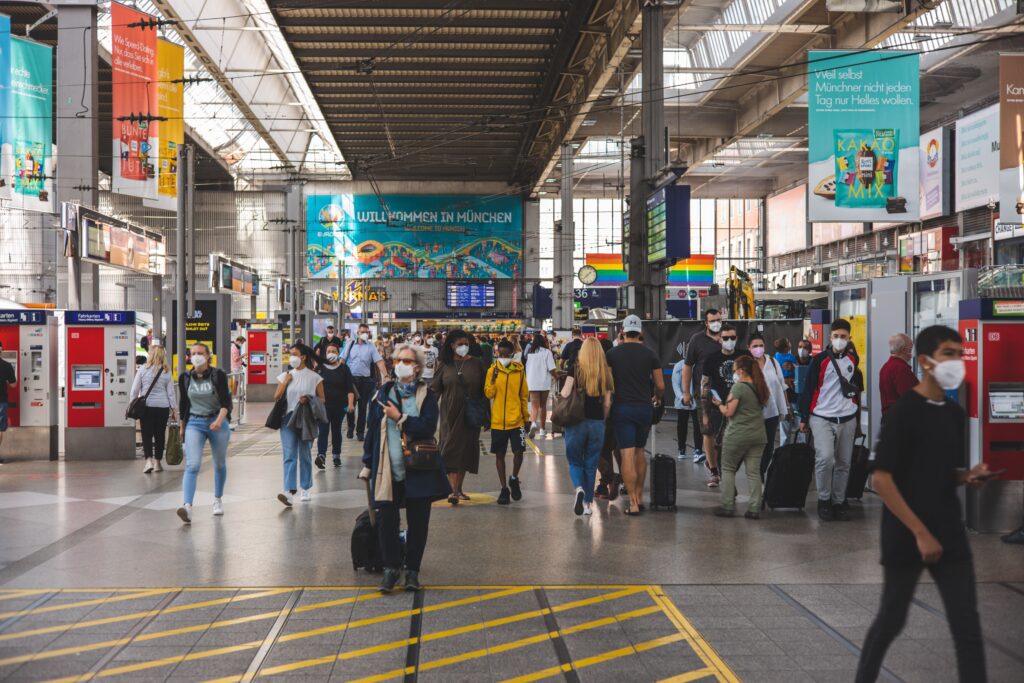
By Air
Munich International Airport (airport code MUC) is one of the busiest airports in Europe. It is located about 35 km northeast of the city centre. The international airport in Munich, Germany, handles flights from all major global hubs, including connections from North America, Asia, the Middle East, and across Europe.
From the Munich, Germany, airport, you can reach the city centre by S-Bahn (S1 or S8 lines) in approximately 40 minutes. A single ticket costs around €11.60, or you can get a day pass if you plan to use public transport more than once. Car hire in Munich, Germany, is available at the airport through all major rental companies — useful if you plan to explore Bavaria at your own pace.
By Train
Germany’s rail network (Deutsche Bahn) connects Munich to all major German cities. Trains from Berlin to Munich, Germany, typically take about 4 hours on the ICE high-speed service. The central train station in Munich, Germany — the Hauptbahnhof, or Bahnhof in Munich, Germany — is a major hub right in the city centre, making arrivals wonderfully convenient. You can also take trains from Munich to Prague (around 6 hours) or from Munich to Paris (around 6 hours via connections).
By Car
Munich is well-connected by autobahn. If you are renting a car at Munich Airport, Germany, be aware that Munich has a low-emission zone in the city centre (Umweltzone). Most modern rental cars qualify, but confirm before you drive.
Getting Around Munich, Germany
Munich, Germany, has one of the best public transport systems in Europe. The network includes:
- U-Bahn (underground/subway) — the fastest way to cross the city
- S-Bahn (suburban rail) — connects the airport and outer areas
- Trams (Straßenbahn) — great for central sightseeing
- Buses — cover areas not served by rail
A single ticket costs around €3.90 for 1–4 stops or €4.10 for the full network. A day pass (Tageskarte) at around €9.20 is excellent value if you plan to move around a lot. The Munich City Pass also includes unlimited public transport plus free or discounted entry to over 45 attractions.
Munich, Germany map tip: Most of the major sights in Munich city centre are within walking distance of Marienplatz, the heart of the old town. You do not need public transport at all for much of the central sightseeing.
Cycling is also very popular. Munich is a bike-friendly city with dedicated lanes throughout the city. You can hire bikes at many stations or through the city’s bike share scheme.
One important note: Uber works in Munich, Germany, but differently than you might expect — German law requires drivers to be professionally licensed, so the app dispatches licensed taxi and rental-car drivers rather than private individuals. You can still book rides through the app as normal, including from the airport, though the FREE NOW app is also widely used locally.
Top Things to Do in Munich, Germany (The Must-Sees)
Let’s get into the heart of this Munich, Germany guide — the actual things to do. I am going to cover the iconic must-sees first, then dig into the unusual and hidden gems that most visitors miss entirely.
1. Marienplatz — The Beating Heart of Munich
Every visit to Munich, Germany, begins at Marienplatz — the city’s main square, named after the golden column (Mariensäule) erected in 1638 to celebrate the city’s survival of the plague and foreign occupation. The square is dominated by the stunning New Town Hall (Neues Rathaus, Munich, Germany), a Neo-Gothic masterpiece built between 1867 and 1909.
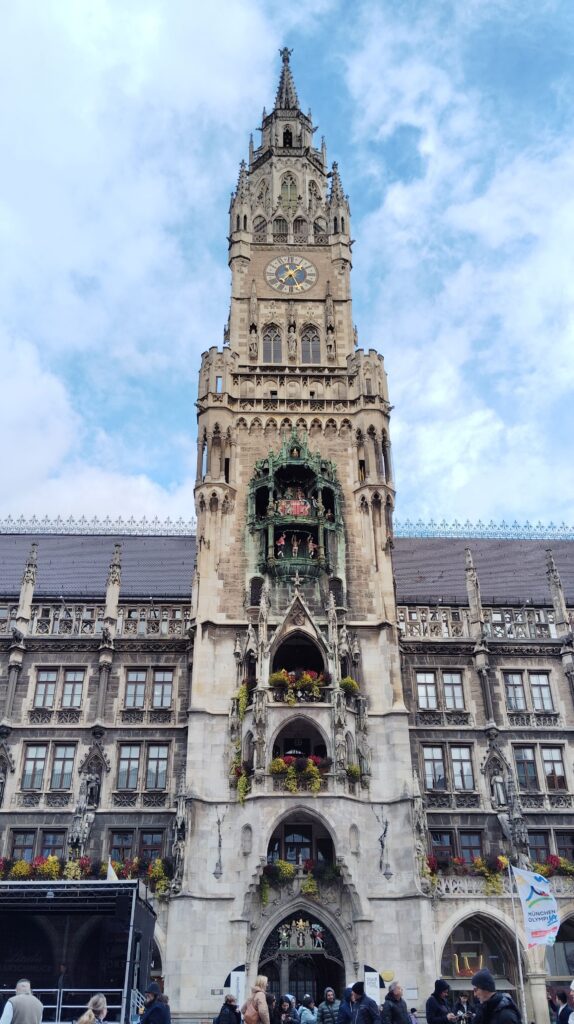
The Glockenspiel in Munich, Germany, the famous carillon in the New Town Hall tower, performs daily at 11 am and noon (and 5 pm in summer). The show features 32 life-sized figures re-enacting stories from Munich’s history. Here is something your competitors won’t tell you: the Glockenspiel is not automated. Real people operate it manually from behind the scenes. At 9 pm each night, there is a completely different show — the night watchman blows his horn while an angel blesses the Münchner Kindl, Munich’s iconic symbol. Most tourists only see the daytime performance. Stay for the evening, one.
You can also take a lift up to the tower of the New Town Hall for panoramic views across Munich, Germany. And tucked inside is a stunning Law Library that very few visitors ever discover.
2. The English Garden (Englischer Garten)
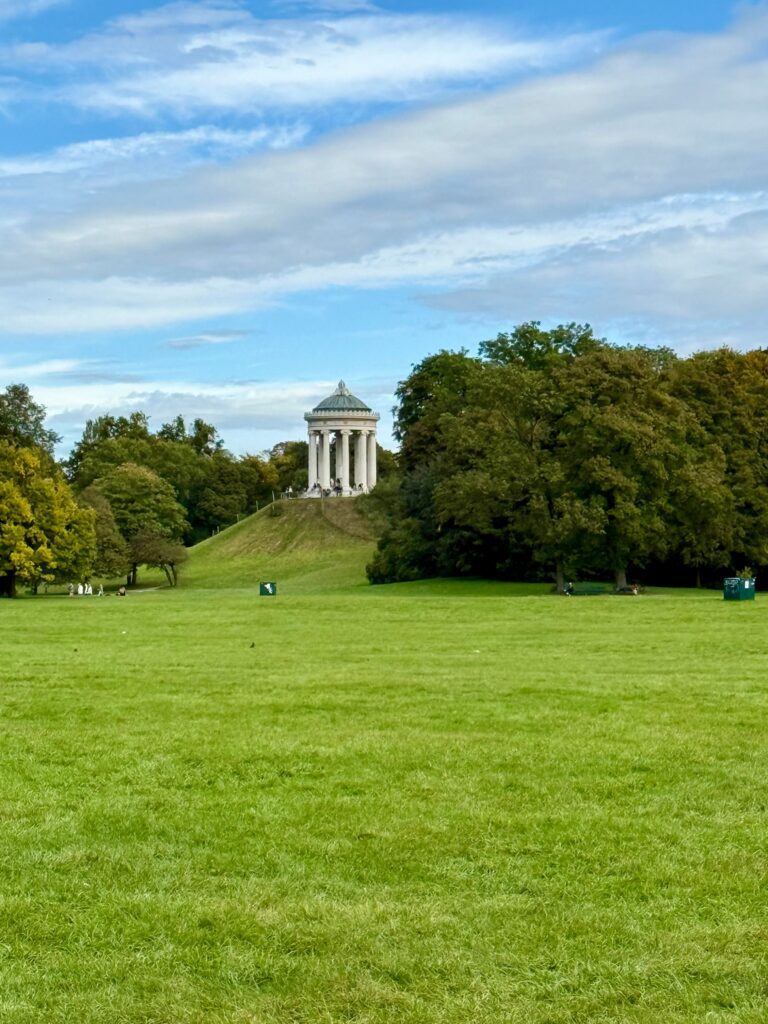
The Englischer Garten is larger than both New York’s Central Park and London’s Hyde Park — making it one of the biggest urban parks in the world. This is where Munich, Germany, truly shows its soul.
In summer, thousands of locals strip down for nude sunbathing (FKK — completely normal and accepted), paddle in the Eisbach river, picnic on the lawns, or drink beer at the Chinesischer Turm (Chinese Tower) beer garden. In winter, people ice skate on the park’s frozen lakes.
But the most surprising thing in the English Garden? River surfing. Munich is the birthplace of river surfing, and at the southern entrance to the park, where the Eisbach meets Prinzregentenstraße, a permanent standing wave allows surfers to ride 365 days a year. This is genuinely one of the most surreal and unforgettable things to see in Munich, Germany.
3. Nymphenburg Palace — Munich’s Grand Royal Estate
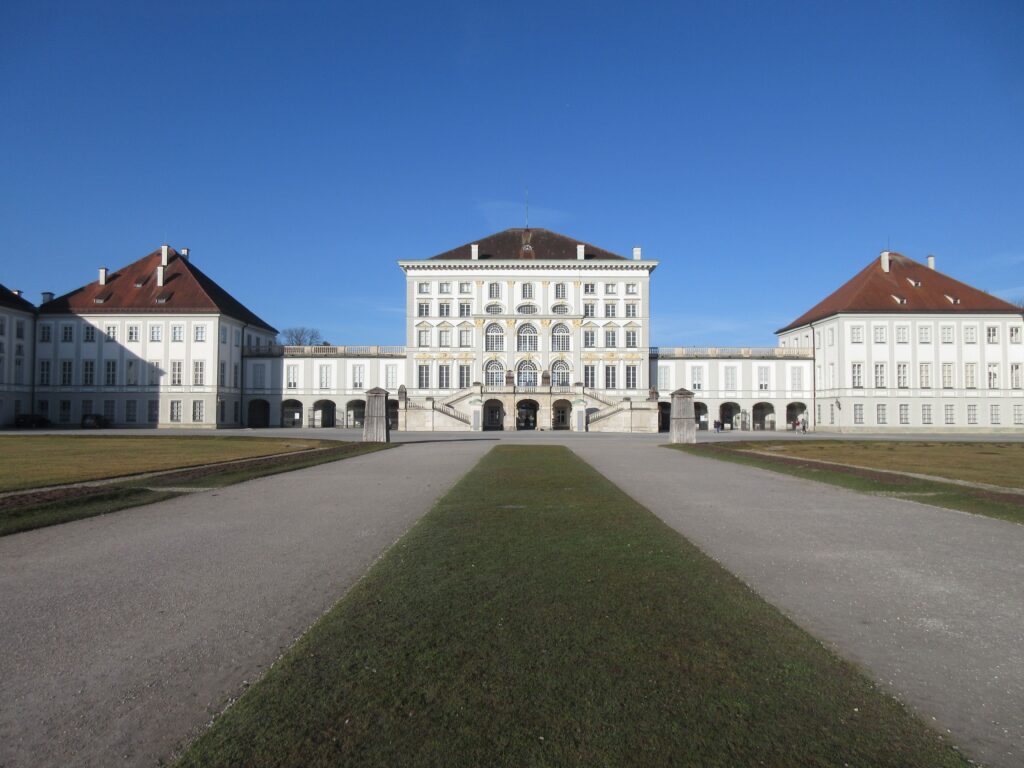
Nymphenburg Castle, Munich, Germany, is the kind of place that makes your jaw drop on arrival. This Baroque summer palace, built in the 17th century, was the official summer residence of the Bavarian royal family. The palace itself is magnificent, but it is the formal gardens — stretching out for acres in every direction — that truly take the breath away.
Inside the palace, don’t miss the Gallery of Beauties: a collection of 36 portraits commissioned by King Ludwig I of the most beautiful women in Bavaria at the time, regardless of social class. It is a fascinating historical curiosity.
The Nymphenburg Palace is located about 5 km west of Munich city centre in Germany and is easily reachable by tram.
4. Munich Residenz — The Royal Palace in the City Centre
The Munich Residenz is the former royal palace of the Wittelsbach monarchs, right in the heart of the old town. It is the largest city palace in Germany, and exploring its 130 rooms is like walking through centuries of Bavarian history. The Antiquarium — a long, barrel-vaulted Renaissance hall — is one of the most photographed interiors in the city.
Pro tip: Go as close to closing time as possible for the Antiquarium if you want a crowd-free photo.
5. The BMW World and Museum
No guide to things to do in Munich, Germany, would be complete without BMW. Munich is the home of BMW, and the BMW building in Munich, Germany — that iconic four-cylinder skyscraper near the Olympic Park — is a city landmark. BMW Welt (BMW World) is a free attraction where you can explore the company’s latest models and concept cars. The adjacent BMW Museum (a separate ticket) covers 100 years of automotive history in an ultra-modern space.
BMW headquarters in Munich, Germany, also offers factory tours — a chance to watch robots assemble cars with extraordinary precision. These tours sell out months in advance, so book as early as possible.
6. Deutsches Museum on Museum Island
The Deutsches Museum is one of the world’s largest and most impressive science and technology museums. Located on an island in the River Isar in Munich, Germany, it houses everything from sailing ships and space probes to submarines and mining galleries. Plan at least a full day — honestly, it is difficult to cover everything even in two.
7. Viktualienmarkt
Just a short walk from Marienplatz, Munich, Germany, the Viktualienmarkt is a 200-year-old outdoor food market with over 100 stalls selling everything from artisan cheeses and Bavarian sausages to flowers, honey, and exotic spices. At the centre of the market is a beer garden where locals and visitors sit together at long wooden tables. Open Monday to Saturday; closed Sundays.
8. Alte Pinakothek Art Gallery
One of the oldest and most important art galleries in the world, the Alte Pinakothek houses a priceless collection of European paintings from the 14th to 18th centuries — Raphael, Rembrandt, Rubens, Dürer. Admission is just €1 on Sundays. This is one of the best-value cultural experiences in Munich, Germany.
9. Olympic Park, Munich, Germany
Built for the 1972 Olympics in Munich, Germany, the Olympiapark remains an active, beloved part of city life. The wave-form acrylic roof of the Olympic Stadium is an architectural icon. You can climb the Olympic Hill (Olympiaberg) — made from Second World War rubble — for one of the best free panoramic views of Munich, with the Alps visible on a clear day. For the brave, the stadium roof has guided climbing tours, and there is a zipline (Flying Fox) across the arena.
10. Hofbräuhaus Munich Germany
No visit to Munich, Germany, is complete without at least one litre of beer at the Hofbräuhaus. Founded in 1589, this legendary beer hall is one of the world’s most famous. Sit at long wooden tables with strangers who become friends, eat pretzels and roast pork, and let a Bavarian brass band soundtrack the experience. It is touristy, yes — but it is also genuinely, irreducibly Munich.
11. Frauenkirche Cathedral
The Frauenkirche (Cathedral of Our Dear Lady), with its twin onion-domed towers, is one of Munich’s most recognisable landmarks. By city law, no building in Munich’s old town is permitted to be taller. Inside, find the famous Teufelsschritt — the Devil’s Footprint. Legend says the cathedral’s builder tricked the devil into funding construction by promising no windows. Standing at the entrance (where the footprint is), you can’t see the windows. The devil stormed in anger — and left his mark.
Hidden Gems and Unusual Things to Do in Munich, Germany
This is the section that separates great travel guides from average ones. Beyond the obvious landmarks, Munich, Germany, has a deeply interesting, quirky, layered side that most visitors never discover. Here are the things to do in Munich, Germany, that will make your trip truly memorable.
Viscardigasse — The Deserter’s Alley
During the Nazi era, all passers-by at Odeonsplatz were required to give the Nazi salute at a memorial to those killed in the 1923 Beer Hall Putsch — Hitler’s first attempt to seize power in Munich, Germany. Those who refused used a tiny side alley just off the square: Viscardigasse. The golden cobblestones, worn smooth by decades of footsteps, still mark this act of quiet resistance. It is one of the most moving and undervisited sites in all of Munich.
Bavaria Statue — Climb Inside Her Head
At the Theresienwiese — the field where Oktoberfest in Munich, Germany takes place — stands a giant bronze statue of a woman called Bavaria. At 18.52 metres tall, she was the largest bronze casting since antiquity, when she was built in the 1840s. What most people don’t know: you can climb 130 steps inside her body and look out from inside her head for extraordinary views of Munich. Think: Statue of Liberty, Bavarian edition.
The Jewelled Skeleton of St. Munditia
Deep inside St. Peter’s Church — Munich’s oldest church — there is something extraordinary that most tourists walk straight past. In a glass case, the jewel-encrusted skeleton of St. Munditia, a 3rd-century Christian martyr, reclines in gilded robes. It is genuinely astonishing and one of the most unusual sights in Munich, Germany.
The Eisbach River Surfers
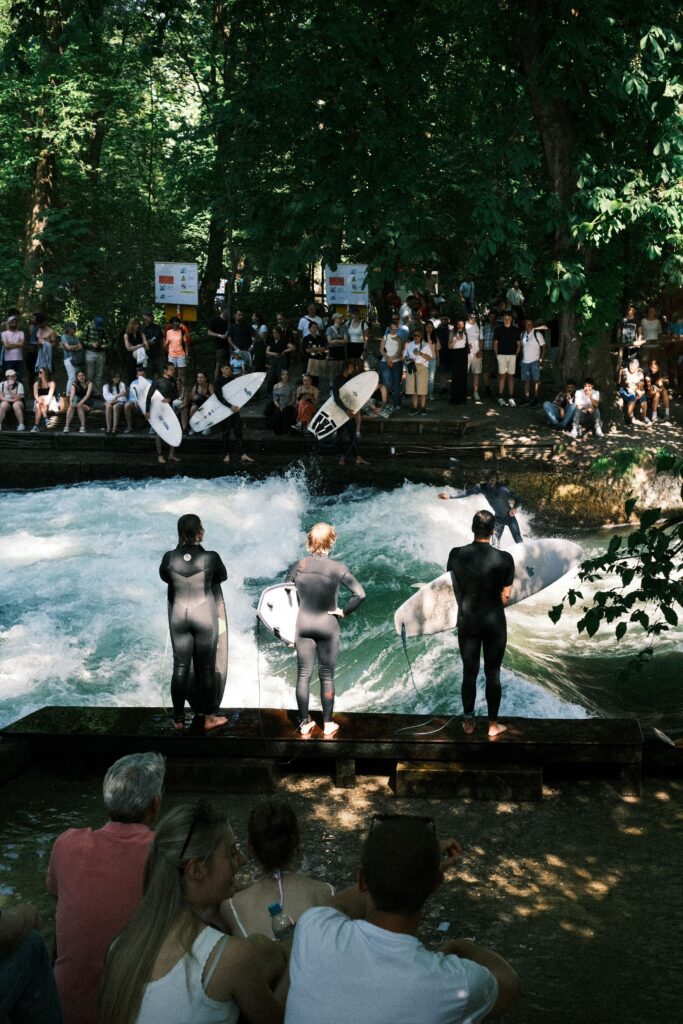
Munich is officially the birthplace of river surfing. At the southern entrance to the English Garden, a permanent standing wave on the Eisbach draws some of the best river surfers in the world. They ride year-round, in all weather. Go at dawn for the most atmospheric experience, or on a summer afternoon to watch the crowds gather.
Augustiner Keller Beer Garden on Arnulfstrasse
While the Hofbräuhaus is famous worldwide, locals will tell you the best beer garden in Munich, Germany, is Augustiner-Keller on Arnulfstrasse — just a short walk from Munich central train station. Sit under ancient chestnut trees, order a Mass (litre) of Augustiner beer, and experience Munich the way its residents actually live it.
Bavaria Film Studios
Europe’s largest film studio is just outside Munich, Germany’s city centre. Famous productions filmed here include Das Boot, The Neverending Story, and Cabaret. Guided English tours take you through the sets and props, and there is an action-packed live stunt show—a brilliant off-the-beaten-path option, especially if you are visiting Munich, Germany,y with children.
Kulturstrand — Munich’s Summer Beach
A sandy beach in Munich, Germany? Yes, really. During the summer months, Kulturstrand (culture beach) appears at the Cornelisbrücke bridge along the Isar River. Soft electronic music, sunset drinks, and warm nights by the water — this is Munich at its most unexpectedly lovely.
The Dachau Concentration Camp Memorial
Just 17 kilometres from Munich city centre, the Dachau Memorial Site is one of the most important historical sites any traveller to Munich can visit. Dachau was the first Nazi concentration camp, opened in 1933. A guided tour provides crucial historical context that a self-guided visit alone cannot. It is sobering, necessary, and deeply human.
Oktoberfest Munich, Germany — What You Really Need to Know
Oktoberfest in Munich, Germany, is the world’s largest folk festival, drawing over 6 million visitors each year to the Theresienwiese fairground. Despite the name, Oktoberfest in Munich, Germany, begins on the third Saturday of September and runs to the first Sunday in October. It began in 1810 as a celebration of a Bavarian royal wedding.
Oktoberfest Essentials
- Reservations: The large beer tents fill up fast. Book a table reservation months in advance if you want a guaranteed seat. Walk-ins are possible early in the day or on weekdays.
- What to wear: Lederhosen for men, Dirndl for women. You can buy or rent in Munich. Wearing traditional dress is genuinely appreciated — not just for tourists.
- Beer: Oktoberfest serves only the six Munich breweries (Augustiner, Hofbräu, Paulaner, Spaten, Löwenbräu, Hacker-Pschorr). A Mass (litre) of Oktoberfest beer will cost around €13–15 in 2026.
- Food: Hendl (roast chicken), Haxn (pork knuckle), Brezn (pretzels), and Obatzda (Bavarian cheese spread) are must-tries.
- Where to stay during Oktoberfest: Hotels in Munich, Germany, triple in price. Book at least 6–12 months ahead. Consider staying near Munich Central Station for easy access.
The Oide Wiesn — The Secret Oktoberfest
If the full-volume Oktoberfest in Munich, Germany, feels overwhelming, there is a lesser-known alternative: the Oide Wiesn. This traditional festival runs alongside the main Oktoberfest on the same grounds, but has a completely different, calmer atmosphere — traditional music, historical rides, and a more authentic Bavarian feel. Many Munich locals prefer it. It is one of the best-kept secrets about the Oktoberfest in Munich, Germany.
Schichtl — The Forgotten Vaudeville Theatre
Hidden within Oktoberfest is the Schichtl, an old-fashioned vaudeville theatre that has been performing at the festival for over a century. Shows are campy, theatrical, and brilliantly weird. It is the kind of experience you will talk about for years.
Munich, Germany Christmas Market
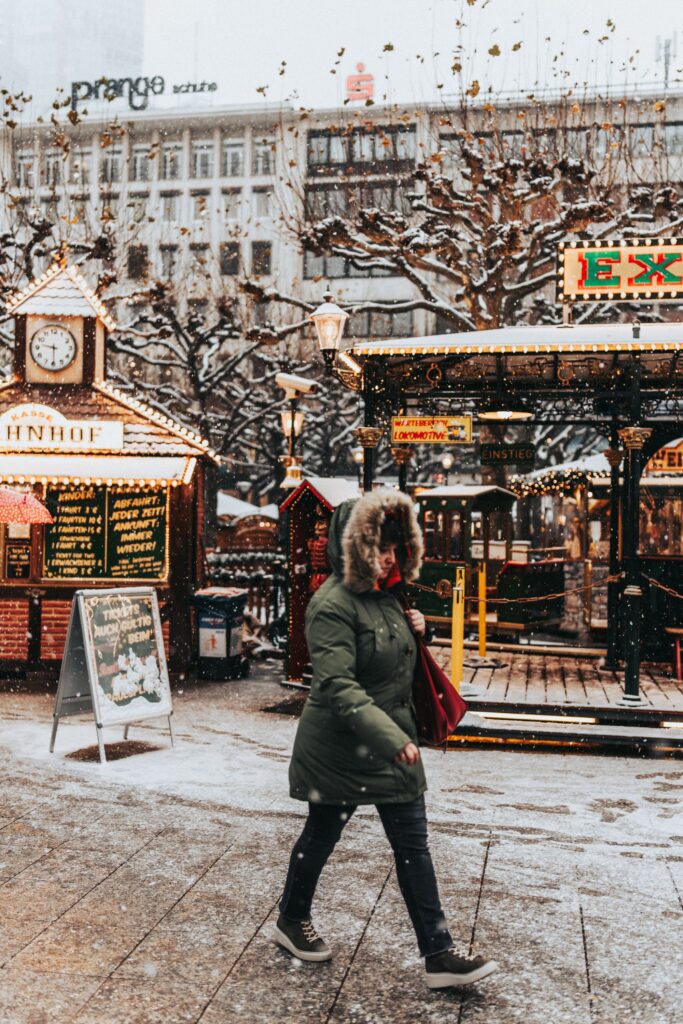
The Munich, Germany Christmas market is one of the oldest and most beautiful in Europe, with records dating back to the 14th century. The main market runs from late November through Christmas Eve at Marienplatz, Munich, Germany, filling the square with over 150 wooden stalls selling handcrafted ornaments, mulled wine (Glühwein), gingerbread, and roasted nuts.
Additional Christmas markets appear across Munich during the season — at the Residenz, Schwabing, and Kaufingerstrasse — each with its own character. The Christmas market season in Munich, Germany, is genuinely one of the most magical times to visit the city. Because hotel prices drop after Oktoberfest, it is significantly more affordable than in summer.
Day Trips from Munich, Germany — Castles, Alps, and Beyond
One of Munich, Germany’s greatest advantages as a base is its access to day trips that most travellers only dream about.
Neuschwanstein Castle — Bavaria’s Fairy-Tale Icon
Castles near Munich, Germany, do not get more spectacular than Neuschwanstein. This 19th-century fairy-tale castle in the Bavarian Alps — the inspiration for Sleeping Beauty’s castle at Disneyland — is about 130 km southwest of Munich and easily reached by train or on a guided day tour. It is one of the most visited castles in the world for very good reason.
Salzburg, Austria
The birthplace of Mozart and the setting for The Sound of Music, Salzburg is just 90 minutes from Munich by train. One of the best day trips from Munich, Germany, hands down.
Dachau Concentration Camp
As mentioned above, this essential historical site is just 40 minutes by S-Bahn from Munich Central Station.
The Bavarian Alps and Zugspitze
The Zugspitze is Germany’s highest mountain, located about 90 km from Munich, Bavaria, Germany. Take the cogwheel train from Garmisch-Partenkirchen and ride to the summit at 2,962 metres for breathtaking alpine views. A genuinely epic day trip from Munich, Germany.
Munich to Prague and Munich to Berlin
If you have more time, trains from Berlin to Munich run regularly, making a multi-city trip in Germany straightforward. Traveling by train from Munich, Germany, to Prague, Czech Republic, takes around 5–6 hours, while traveling from Munich, Germany, to Paris, France, takes about 6 hours with connections. Both make excellent additions to a trip to Munich.
Where to Stay in Munich, Germany — Neighbourhoods Guide
Choosing the right neighbourhood makes an enormous difference to your experience in Munich, Germany. Here is a breakdown:
Altstadt / Old Town (Marienplatz area): The most central location, closest to all the major things to do in Munich, Germany. Hotels here are the most expensive, but the convenience is unbeatable. Perfect for first-time visitors.
Near Hauptbahnhof (Munich central train station): Contrary to many European capitals, the area near Munich’s main train station is safe, well-connected, and offers the best range of hotels in Munich, Germany, at every price point — from budget to five-star. Excellent transport links to the airport and the Oktoberfest.
Maxvorstadt: Munich’s cultural heart, home to most of the major museums, LMU Munich University, and a thriving café and gallery scene. A little hipper than the old town, beloved by locals and students.
Schwabing: The bohemian, art-house neighbourhood of Munich, Germany. Great restaurants, independent boutiques, and a lively nightlife scene.
Glockenbachviertel: Munich, Germany’s most alternative, progressive neighbourhood. Think craft cocktail bars, vintage shops, diverse dining, and a very lively late-night scene. Munich, Germany, has clubs concentrated in this area.
Hotels in Munich, Germany — From Budget to Luxury
Finding hotels in Munich, Germany, at the right price point depends heavily on when you visit. During Oktoberfest in Munich, Germany, and the summer, rates can triple. Here are some reliable options across budget ranges:
Luxury Hotels in Munich, Germany
Sofitel Bayerpost Hotel, Munich, Germany: One of the most celebrated hotels in Munich, the Sofitel Bayerpost occupies a stunning Belle Époque railway building near the Hauptbahnhof, with elegant rooms, a superb spa, and a Michelin-adjacent restaurant.
Charles Hotel Munich, Germany: A Rocco Forte property in Maxvorstadt, combining contemporary design with effortless luxury. Ideal for visitors who want to be close to the museums.
Hilton Munich Germany / Marriott Munich Germany: Both the Hilton Munich Germany and Marriott Munich Germany (including the Courtyard by Marriott Munich City Center) offer reliable international luxury with excellent central locations.
Mid-Range and Budget Hotels in Munich, Germany
Hotel Torbrau Munich, Germany: One of Munich’s oldest hotels, dating back to 1490. Excellent Old Town location, mid-range pricing, and bags of historic character.
Eden Hotel Wolff, Munich, Germany (Arnulfstrasse): Located directly opposite Hauptbahnhof, the Eden Hotel Wolff offers excellent value and a prime location for transport connections.
For the absolute best hotel in Munich, Germany, deals, book 3–6 months in advance for peak periods. For Oktoberfest, 6–12 months is not an exaggeration.
What to Eat and Drink in Munich, Germany
Munich, Germany Food Must-Tries
- Weisswurst: The famous white sausage, made from veal and pork, is traditionally eaten before noon with sweet mustard, a pretzel, and a Weissbier. Do not cut it — pinch it from the skin (called ‘zuzeln’).
- Schweinshaxe (Pork Knuckle): Roasted until the skin is crispy and shattering—one of Munich’s great culinary pleasures.
- Brezn (Pretzel): Soft, doughy, glossy with lye. Best eaten warm from a bakery.
- Obatzda: A creamy Bavarian cheese spread made with Camembert, butter, and paprika. Perfect with a beer and bread.
- Dampfnudel: A fluffy steamed dumpling served with vanilla sauce. Bavarian comfort food at its finest.
Where to Eat and Drink
Augustiner Bräustuben: A legendary Munich beer hall slightly off the main tourist trail — which means it feels significantly more authentic than the Hofbräuhaus — with excellent food and atmosphere.
Viktualienmarkt Beer Garden: For a casual lunch with locals, grab food from the market stalls and sit at the central beer garden—one of the great experiences in Munich, Germany.
Café Frischut (Schmalznudel): Munich’s oldest bakery, hidden near Viktualienmarkt. Serves Schmalznudeln — sweet fried dough pastries — that are genuinely addictive.
Munich, Germany Practical Travel Tips
Cash is still king: Munich, Germany, is cash-heavy compared to many European cities. Carry euros at all times; many small restaurants, beer gardens, and shops do not accept cards.
Sundays are quiet: Shops and supermarkets close on Sundays in Munich, Germany. Plan grocery shopping and retail trips for Saturday. Museums remain open.
Museum Sunday: Many museums in Munich, Germany — including the Alte Pinakothek, Neue Pinakothek, and others — offer entry for just €1 on Sundays. Exceptional value.
Public toilets cost money: Public WCs throughout Munich, Germany, typically cost 50 cents to €1. Keep coins on you.
Language: German is the official language of Munich, but English is widely spoken in tourist areas, hotels, and restaurants. Learning a few German phrases (‘Bitte’ = please, ‘Danke’ = thank you, ‘Ein Bier bitte’ = one beer please) will be warmly appreciated.
Cycling rules: Munich, Germany, takes cycling infrastructure seriously. Do not walk in bike lanes — they are clearly marked, and cyclists move fast.
Munich time zone: Munich, Germany, uses Central European Time (CET / UTC+1) in winter and Central European Summer Time (CEST / UTC+2) from late March to late October.
No Uber: Uber is banned in Germany. Use public transport or official taxis.
More Munich and European Travel from Open Road Diary
If this Munich, Germany guide has you excited for European travel, explore more of our travel guides on Open Road Diary:
Explore all our Europe travel guides — from hidden Bavarian villages to city breaks across the continent.
Planning a road trip? Read our Europe road trip guides — Munich is one of the best starting points for a Bavarian driving adventure.
Heading to Germany beyond Munich? See our Germany travel guide for Berlin, Hamburg, and the Rhine Valley.
Final Thoughts: Munich, Germany, Is More Than You Expect
Munich, Germany, will surprise you. Whether you expect a city built entirely around beer and lederhosen, or a stuffy, expensive Bavarian capital, it will show you something you did not anticipate: a city that is warm, deeply cultured, genuinely beautiful, and endlessly layered with history and character.
From the river surfers of the Englischer Garten to the jewelled skeletons of St. Peter’s Church, from the roar of Oktoberfest to the silence of the Dachau memorial, Munich, Germany, contains multitudes. It is a city that rewards curiosity, patience, and an appetite for experience.
Plan your trip. Get on that plane. Walk through Marienplatz at dusk when the Glockenspiel is quiet and the last gold light of the day catches the tower of the New Town Hall. You will understand immediately why people keep coming back.
I will see you on the open road.
— Open Road Diary | openroaddiary.com
Pin this Munich, Germany travel guide for later! 📌 | Share it with a fellow traveller 🌍